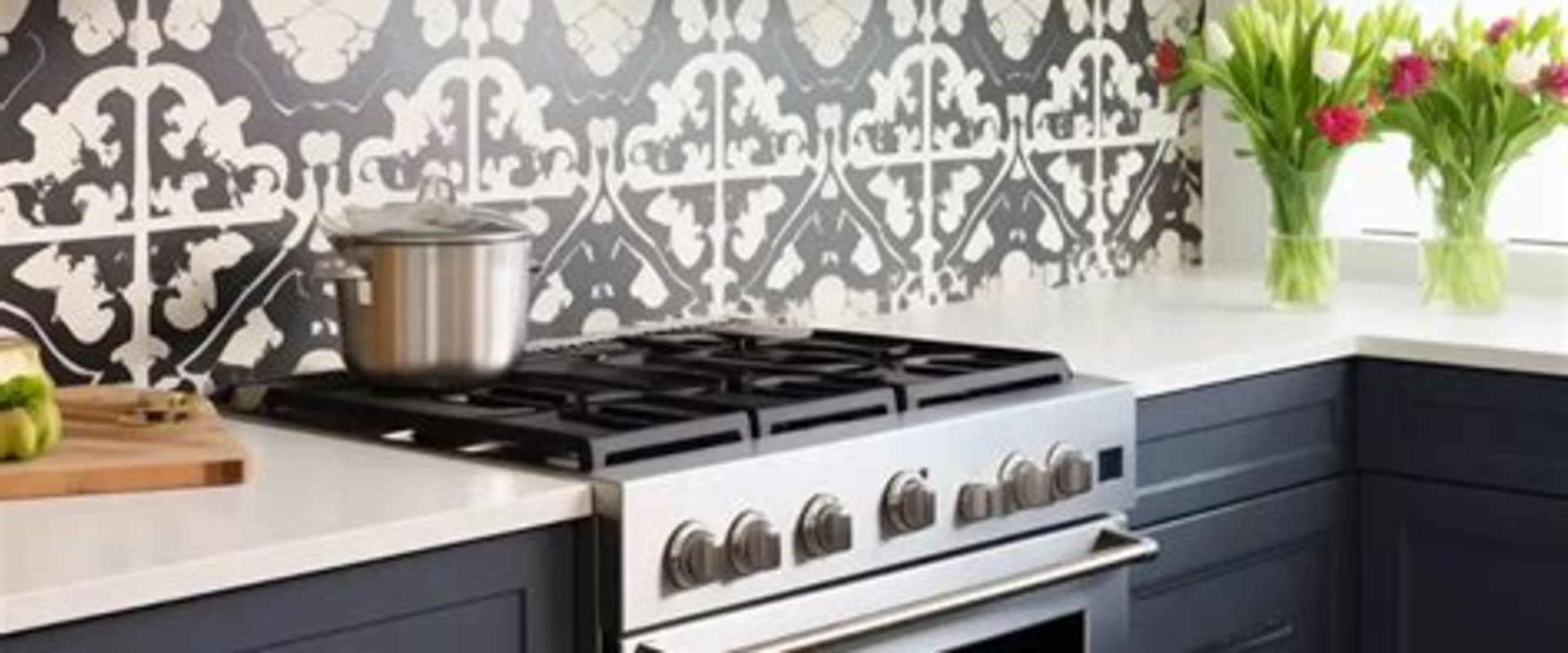
The backsplash is often an overlooked element in kitchen design, yet it plays a pivotal role in enhancing the overall aesthetic and functionality of a remodeled kitchen. As a protective barrier against splashes and stains, the backsplash not only serves a practical purpose but also acts as a canvas for creativity. With an array of materials, colors, and patterns available, homeowners can use the backsplash to express their personal style and elevate the visual appeal of their space. In the realm of kitchen remodeling, the choice of backsplash can significantly influence the room's atmosphere. Whether opting for sleek subway tiles, vibrant mosaics, or rustic natural stone, each design choice contributes to the kitchen's aesthetics.
A well-chosen backsplash can tie together various elements of the kitchen, from cabinetry to countertops, creating a cohesive look that enhances the overall design. Furthermore, it can serve as a focal point that draws the eye and adds depth to the space. Beyond aesthetics, the backsplash also plays a crucial role in interior design by providing texture and contrast. For instance, pairing a glossy tile with matte finishes elsewhere can create visual interest and dimension. Additionally, incorporating unique shapes or layouts can transform a simple kitchen into a stunning culinary haven.
As homeowners embark on their remodeling journey, considering the backsplash as an integral part of their design strategy will ensure that their kitchen not only looks beautiful but also functions effectively for everyday use.
Choosing the Right Backsplash Material
When it comes to kitchen remodeling, selecting the right backsplash material is crucial for both aesthetics and functionality. The backsplash serves as a focal point in the kitchen, and the material you choose can significantly influence the overall design.Tile Options
Tile is one of the most popular choices for backsplashes due to its versatility and wide range of styles. Ceramic and porcelain tiles are durable, easy to clean, and come in various colors and patterns. They can be arranged in creative layouts, such as herringbone or subway patterns, to add visual interest.However, grout lines can require maintenance to keep them looking fresh.
Glass Backsplash
A glass backsplash offers a sleek, modern look that can brighten up any kitchen. Glass reflects light, making the space feel larger and more open. It is available in various colors and can be used as a solid panel or in tile form. While glass is easy to clean, it can be prone to scratches and may require careful handling during installation.Stone Backsplash
Stone backsplashes, such as granite or marble, provide a luxurious feel to your kitchen.Each piece is unique, adding character and elegance. Stone is incredibly durable and heat-resistant, making it an excellent choice for cooking areas. However, it may require sealing to prevent stains and damage over time.
Choosing the Right Material for Your Style
Ultimately, the best backsplash material will depend on your kitchen's style and your personal preferences. For a rustic or farmhouse look, consider natural stone or textured tiles.If you prefer a contemporary vibe, sleek glass or glossy ceramic tiles may be more suitable. Always consider durability and maintenance when making your choice to ensure your backsplash remains beautiful for years to come.
Color and Pattern: Making a Statement with Backsplash
When it comes to kitchen remodeling, the choice of backsplash can serve as a focal point that enhances the overall design. The right colors and patterns can transform a mundane kitchen into a vibrant space that reflects your personal style.Choosing the Right Colors
The color of your backsplash can significantly influence the mood of your kitchen. For instance, bold colors like deep blues or vibrant reds can create a lively atmosphere, while softer hues such as pastels or whites can evoke a sense of calm and cleanliness.Here are some tips for selecting the right colors:
- Complement Your Cabinets: Choose a backsplash color that complements or contrasts with your cabinetry. If you have dark cabinets, a lighter backsplash can create a striking visual balance.
- Consider the Overall Color Scheme: Ensure that your backsplash fits within the broader color scheme of your kitchen. This includes countertops, flooring, and appliances.
- Use Color Psychology: Think about how different colors make you feel. For example, green is often associated with freshness and nature, making it an excellent choice for kitchens.
Exploring Pattern Ideas
Patterns can add depth and interest to your kitchen design.From classic subway tiles to intricate mosaics, the options are endless. Here are some popular pattern ideas:
- Subway Tiles: A timeless choice that works well in both modern and traditional kitchens. They can be laid in various patterns, such as herringbone or stacked.
- Mosaic Tiles: These can create stunning visual effects and allow for creative expression through unique designs.
- Geometric Patterns: Perfect for contemporary kitchens, geometric tiles can add a modern flair and make a bold statement.
Functional Benefits of a Backsplash in Kitchen Remodeling
When it comes to kitchen remodeling, the installation of a backsplash offers numerous functional benefits that can significantly enhance the overall design and usability of the space.One of the primary advantages is the ease of cleaning. Kitchen backsplashes are typically made from materials such as tile, glass, or stainless steel, which are resistant to stains and can be easily wiped down. This feature is particularly beneficial in areas prone to spills and splashes, such as behind the sink and stove.Moreover, a backsplash serves as a protective barrier against moisture and food splatters. By covering the wall behind your cooking area, it helps prevent damage from water and grease, which can lead to mold growth or paint deterioration over time.
This protection is essential for maintaining a clean and healthy kitchen environment.
- Moisture Protection: Backsplashes shield walls from humidity and steam, especially in kitchens where cooking is frequent.
- Stain Resistance: Many backsplash materials are designed to resist stains, making them ideal for high-traffic cooking areas.
- Durability: Quality backsplashes can withstand heat and impact, ensuring they remain functional and attractive for years.
Incorporating Backsplash into Different Kitchen Styles
When it comes to kitchen remodeling, the backsplash is a crucial element that can significantly enhance the overall design.Different kitchen styles offer unique opportunities to incorporate backsplashes that complement their aesthetic.
Modern Kitchens
In modern kitchens, backsplashes often feature sleek materials such as glass, stainless steel, or large-format tiles. These materials create a clean and minimalist look that aligns with contemporary design principles. For instance, a glossy white subway tile can reflect light and make the space feel larger, while a bold geometric pattern can serve as a striking focal point.Traditional Kitchens
For traditional kitchens, backsplashes can be more ornate and detailed. Consider using classic materials like ceramic or porcelain tiles with intricate designs or even hand-painted accents.A beautiful mosaic backsplash featuring warm colors can add a touch of elegance and warmth, enhancing the cozy atmosphere typical of traditional kitchen designs.
Farmhouse Style
The farmhouse style embraces rustic charm, and backsplashes in these kitchens often utilize natural materials.Subway tiles
in soft hues or reclaimed wood panels can create a welcoming and homey feel. Additionally, a backsplash made from vintage tin tiles can add character and nostalgia, perfectly aligning with the farmhouse aesthetic.Contemporary Design
In contemporary kitchens, backsplashes can be bold and artistic. Homeowners might opt for colorful glass tiles or even custom artwork that reflects their personality.A vibrant mosaic or an oversized mural can transform the backsplash into a statement piece that draws attention and sparks conversation.Ultimately, the choice of backsplash should not only reflect the style of the kitchen but also the homeowner's personal taste. By carefully selecting materials and designs that align with their vision, homeowners can create a cohesive and stunning kitchen space that stands out.
DIY vs. Professional Installation: What You Need to Know
When it comes to kitchen remodeling, one of the key decisions homeowners face is whether to tackle the backsplash installation as a DIY project or hire a professional. Each option has its own set of advantages and challenges that can significantly impact both the outcome and the overall cost of your remodel.DIY Backsplash Installation
Opting for a DIY backsplash installation can be an appealing choice for those looking to save money and add a personal touch to their kitchen.Here are some important considerations:
- Cost Savings: By doing it yourself, you can save on labor costs, which can account for a significant portion of the total installation expense.
- Skill Requirements: While many backsplash materials are user-friendly, some may require specific skills or tools. Assess your comfort level with tiling, cutting, and grouting before diving in.
- Time Investment: DIY projects often take longer than anticipated. Be prepared to dedicate several days to complete the installation, especially if you are learning as you go.
Professional Installation Costs
If you choose to hire a professional for your backsplash installation, consider the following:- Expertise: Professionals bring experience and skill, ensuring that the backsplash is installed correctly and efficiently. This can lead to a more polished final look.
- Cost Implications: Hiring a professional typically increases your overall budget.
Installation costs can vary widely based on the complexity of the design and the materials used.
- Warranty and Guarantees: Many professionals offer warranties on their work, providing peace of mind that any issues will be addressed post-installation.
FAQs About Backsplash in Kitchen Remodeling
When considering a backsplash for your kitchen remodeling project, several common questions arise. Here are some frequently asked questions that can help clarify your concerns and guide your decisions.What materials are best for a kitchen backsplash?
There are various materials to choose from, each offering unique benefits:- Tile: Ceramic, porcelain, and glass tiles are popular for their durability and ease of cleaning.
- Natural Stone: Options like granite or marble provide a luxurious look but may require more maintenance.
- Metal: Stainless steel or copper backsplashes can add a modern touch and are resistant to heat and stains.
- Vinyl: A budget-friendly option that comes in various designs, though it may not be as durable as other materials.
How do I install a backsplash?
The installation process can vary based on the material chosen, but here are some general steps:- Preparation: Clean the wall surface thoroughly and ensure it is dry.
- Layout: Plan your design by laying out the tiles or panels without adhesive to visualize the final look.
- Adhesive Application: Apply the appropriate adhesive based on your material choice.
- Placement: Press the backsplash pieces into place, using spacers for even gaps if necessary.
- Grouting: Once the adhesive sets, apply grout to fill in the gaps between tiles.
What maintenance is required for a backsplash?
The maintenance of your backsplash will depend on the material used. Here are some tips:- Ceramic and Porcelain: Regularly wipe down with a mild detergent and water to prevent grime buildup.
- Naturals Stones: Seal periodically to protect against stains and moisture absorption.
- Metal: Clean with a soft cloth and avoid abrasive cleaners that can scratch the surface.
- Vinyl: Wipe with a damp cloth; avoid harsh chemicals that can damage the finish.
Conclusion: Elevating Your Kitchen with Thoughtful Backsplash Choices
In conclusion, the choice of backsplash in your kitchen remodeling project is not merely a functional decision but a pivotal design element that can transform the overall aesthetic of your space.Throughout this article, we have explored how a well-selected backsplash can serve as a focal point, enhance color schemes, and add texture to your kitchen.When considering your options, remember that the backsplash is an opportunity to express your personal style. Whether you opt for classic subway tiles, vibrant mosaics, or sleek glass panels, each choice can significantly impact the ambiance of your kitchen. Here are some key takeaways:
- Visual Impact: A striking backsplash can draw the eye and create a stunning visual contrast against cabinetry and countertops.
- Color Coordination: Thoughtful color choices can harmonize with existing elements or introduce new hues that breathe life into your kitchen.
- Texture and Material: Different materials like ceramic, stone, or metal can add depth and interest, making your kitchen feel more inviting.
- Functionality: Beyond aesthetics, backsplashes protect walls from splashes and stains, making them a practical addition to any kitchen.
A thoughtful approach to backsplash selection will not only enhance the beauty of your kitchen but also increase its value and functionality for years to come.