When it comes to kitchen remodeling, understanding the concept of kitchen workflow is essential for creating a space that not only looks great but also functions efficiently. The layout of your kitchen plays a pivotal role in how smoothly you can move from one task to another, whether you're chopping vegetables, cooking a meal, or cleaning up afterward. A well-thought-out kitchen layout can significantly enhance your overall kitchen efficiency, making daily tasks feel less like a chore and more like an enjoyable experience. The importance of kitchen layout cannot be overstated. It directly impacts how you interact with your kitchen appliances, storage areas, and work surfaces.
For instance, the classic work triangle concept—connecting the stove, sink, and refrigerator—remains a fundamental principle in kitchen design. This triangle ensures that the most frequently used areas are within easy reach, minimizing unnecessary movement and maximizing productivity. Moreover, a thoughtful kitchen design can accommodate various cooking styles and preferences. Whether you’re an avid chef who requires ample counter space or someone who enjoys entertaining guests while preparing meals, understanding your unique workflow needs will guide your remodeling decisions. By prioritizing kitchen workflow, you can create a harmonious environment that not only meets your functional requirements but also enhances the overall aesthetic appeal of your home.
The Kitchen Work Triangle: A Foundation for Efficiency
One of the most critical concepts in kitchen remodeling is the kitchen work triangle, which serves as a foundational principle for creating an efficient kitchen layout.The work triangle consists of three primary work areas: the sink, stove, and refrigerator. These elements are essential for meal preparation and should be strategically positioned to minimize unnecessary movement.The ideal distance between these three points should be between 4 to 9 feet, forming a triangle that allows for smooth transitions between tasks. When designing your kitchen, consider the following:
- Sink: Often considered the heart of the kitchen, the sink is where food prep begins and ends. It should be easily accessible from both the stove and refrigerator.
- Stove: This is where cooking takes place, so it should be centrally located within the triangle.
Ensure that there is adequate counter space on either side for placing ingredients and utensils.
- Refrigerator: The fridge should be positioned close enough to the prep area to allow for easy access to ingredients while cooking.
- Zoning: Create distinct zones for cooking, cleaning, and storage. This organization helps streamline tasks and reduces clutter.
- Counter Space: Ample counter space is vital for food preparation. Ensure that there are clear surfaces near the sink and stove.
- Storage Solutions: Utilize cabinets and drawers effectively to keep tools and ingredients within reach but out of sight, maintaining a clean workspace.
Zoning Your Kitchen: Creating Functional Areas
When it comes to kitchen remodeling, one of the most effective strategies to enhance workflow and efficiency is through kitchen zoning.This concept involves creating distinct areas within your kitchen that serve specific functions, allowing for a more organized and streamlined cooking experience.To implement effective functional kitchen areas, consider the following zones:
- Preparation Zone: This area should be equipped with ample counter space, cutting boards, and knives. Position it near the refrigerator for easy access to ingredients.
- Cooking Zone: Ideally located near the preparation zone, this area should include your stove, oven, and any necessary pots and pans. Ensure that it has adequate ventilation and is free from clutter.
- Cleaning Zone: This zone encompasses the sink and dishwasher. It should be easily accessible from both the cooking and preparation zones to facilitate quick cleanup.
- Storage Zone: Incorporate cabinets and pantry space in this area to store dry goods, utensils, and cookware.
Organizing these items efficiently can save time during meal prep.
Choosing the Right Layout: Popular Kitchen Designs
When it comes to kitchen remodeling, the layout is a crucial factor that can significantly enhance workflow and efficiency.Different kitchen designs cater to various needs and preferences, making it essential to choose the right one for your space.
L-Shaped Kitchen
The L-shaped kitchen is a popular choice for many homeowners due to its versatility and efficient use of space. This layout features two adjoining walls, forming an ‘L’ shape, which allows for a natural flow between cooking, cleaning, and dining areas. Here are some pros and cons:- Pros:
- Maximizes corner space with cabinets and appliances.
- Encourages an open layout, ideal for entertaining.
- Offers ample counter space for food preparation.
- Cons:
- May not be suitable for very small kitchens.
- Can feel disconnected if not designed with an open concept in mind.
U-Shaped Kitchen
The U-shaped kitchen is another efficient design that utilizes three walls of cabinetry and appliances, creating a functional work triangle. This layout is particularly beneficial for larger spaces.Consider the following:
- Pros:
- Provides extensive counter space and storage options.
- Facilitates multiple cooks working simultaneously.
- Creates a cozy, enclosed cooking area.
- Cons:
- Can feel cramped in smaller kitchens.
- Requires careful planning to avoid overcrowding.
Galley Kitchen
The galley kitchen, characterized by two parallel countertops, is ideal for maximizing efficiency in narrow spaces. This design promotes a streamlined workflow, making it a favorite among professional chefs. Here are its advantages and disadvantages:- Pros:
- Highly efficient layout with everything within reach.
- Encourages a focused cooking environment.
- Easily customizable with various storage solutions.
- Cons:
- Lacks open space for socializing or dining.
- Can feel restrictive if not designed thoughtfully.
Incorporating Storage Solutions for Efficiency
When it comes to kitchen remodeling, one of the most effective ways to enhance workflow and efficiency is by incorporating smart storage solutions.A well-organized kitchen not only reduces clutter but also makes essential tools and ingredients easily accessible, allowing for a smoother cooking experience.Here are some innovative ideas to maximize your kitchen space:
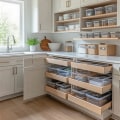
- Pull-Out Cabinets: These are perfect for narrow spaces and can store everything from spices to pots and pans. They allow you to utilize deep spaces without the hassle of reaching into the back.
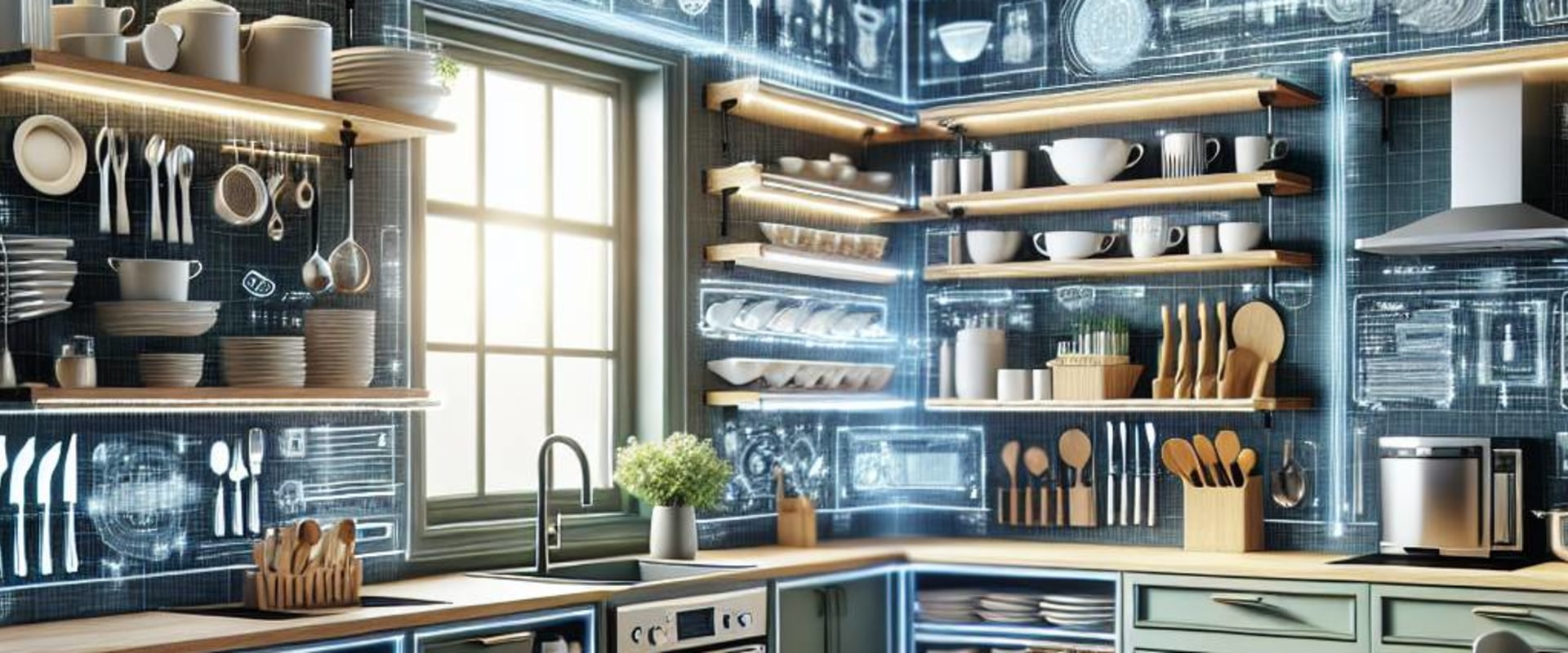
- Vertical Storage: Consider installing shelves or cabinets that reach up to the ceiling. This not only maximizes vertical space but also provides a place for items that are used less frequently.
- Magnetic Strips: Use magnetic strips to hold knives or metal utensils. This keeps them off the counter and within easy reach, while also adding a modern touch to your kitchen.
- Drawer Dividers: Organize utensils and tools with dividers in drawers.
This prevents clutter and allows you to find what you need quickly, enhancing your cooking efficiency.
- Corner Cabinets: Utilize lazy Susans or pull-out shelves in corner cabinets to make the most of these often-overlooked spaces.
Lighting and Its Role in Kitchen Efficiency
Effective kitchen lighting design is a crucial element in enhancing workflow and efficiency in a remodeled kitchen. Proper lighting not only illuminates the space but also plays a significant role in ensuring safety and comfort during meal preparation.One of the primary considerations in efficient kitchen lighting is the layering of light sources.This involves combining ambient, task, and accent lighting to create a well-lit environment. Ambient lighting provides overall illumination, while task lighting focuses on specific areas where activities such as chopping, cooking, and cleaning take place.
Task Lighting in Kitchens
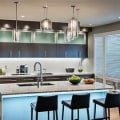
Task lighting is essential for areas like countertops, islands, and stovetops. Installing under-cabinet lights can significantly enhance visibility when preparing meals, reducing the risk of accidents. Pendant lights over an island not only serve as a stylish feature but also provide direct light where it’s needed most.- Under-cabinet lights: These fixtures illuminate work surfaces without casting shadows, making them ideal for food preparation.
- Pendant lights: Positioned above islands or dining areas, they add both style and functionality.
- Recessed lighting: This type of lighting can be strategically placed to ensure even distribution of light throughout the kitchen.
For instance, brighter settings are beneficial during cooking, while softer lighting can create a cozy atmosphere for family gatherings.In conclusion, investing in thoughtful kitchen remodeling that prioritizes effective lighting solutions can lead to improved workflow and efficiency. By ensuring that every corner of the kitchen is well-lit, homeowners can enjoy a safer and more enjoyable cooking experience.
Appliance Placement: Optimizing Functionality
When it comes to kitchen remodeling, the strategic placement of appliances is crucial for enhancing workflow and efficiency. A well-thought-out layout can significantly streamline cooking processes, making meal preparation more enjoyable and less time-consuming.One effective approach is to follow the kitchen work triangle concept, which emphasizes the relationship between the stove, refrigerator, and sink. Ideally, these three key appliances should form a triangle, allowing for easy movement between them.This minimizes unnecessary steps and maximizes efficiency during cooking.
Considerations for Appliance Placement
- Proximity: Place the refrigerator near the entrance to the kitchen for easy access when unloading groceries. This reduces the distance you need to travel with heavy bags.
- Cooking Zone: Position the stove and oven within close reach of the sink and prep areas. This allows for quick transitions between washing, chopping, and cooking.
- Counter Space: Ensure there is ample counter space next to the stove for placing hot pots and pans. This prevents spills and accidents while cooking.
- Appliance Height: Install wall ovens at a height that minimizes bending and reaching, making it easier to access your dishes.
These innovations can further enhance your kitchen's functionality and efficiency.Lastly, don’t forget about appliance clearance. Ensure there is enough space around each appliance for doors to open fully and for you to move comfortably. This not only improves accessibility but also contributes to a safer kitchen environment.By carefully planning your appliance placement during your kitchen remodeling, you can create a space that not only looks great but also works efficiently, making your culinary adventures more enjoyable.
Common Mistakes to Avoid in Kitchen Remodeling
When embarking on a kitchen remodeling project, homeowners often overlook critical aspects that can significantly impact the overall efficiency and functionality of the space. Here are some common mistakes to avoid:- Poor Layout Planning: One of the most frequent pitfalls is neglecting to create an effective layout.
The kitchen work triangle, which connects the sink, stove, and refrigerator, should be prioritized to enhance workflow. A poorly planned layout can lead to unnecessary movement and frustration.
- Ignoring Storage Needs: Failing to account for adequate storage can result in cluttered countertops and disorganization. Consider incorporating a mix of cabinets, drawers, and open shelving to maximize space and keep essentials within reach.
- Overlooking Lighting: Insufficient lighting can hinder functionality in the kitchen. Ensure that your design includes a combination of ambient, task, and accent lighting to create a well-lit environment that enhances both safety and usability.
- Choosing Aesthetic Over Functionality: While aesthetics are important, prioritizing style over practicality can lead to inefficiencies.
Select materials and appliances that not only look good but also serve your cooking needs effectively.
- Neglecting Workflow Zones: Every kitchen has distinct zones for cooking, cleaning, and preparation. Failing to define these areas can disrupt the flow of activities. Ensure that each zone is easily accessible and logically arranged.
FAQs About Kitchen Remodeling and Workflow Improvement
When considering kitchen remodeling, many homeowners have questions about how to enhance workflow and efficiency.Here are some frequently asked questions that can help guide your remodeling decisions:
- What is the best kitchen layout for improving workflow? The work triangle concept is a classic guideline that suggests placing the sink, stove, and refrigerator in a triangular layout to minimize movement and maximize efficiency. This layout allows for easy access to essential areas while cooking.
- How can I make my kitchen more functional? Incorporating features like pull-out shelves, deep drawers, and lazy Susans can significantly enhance functionality. Additionally, consider adding an island for extra prep space and storage.
- What are common mistakes to avoid in kitchen design? One common mistake is underestimating the importance of storage. Ensure you have enough cabinets and pantry space to keep your kitchen organized.
Another mistake is poor lighting; a well-lit kitchen improves both safety and efficiency.
- How does the choice of materials affect workflow? The materials you choose can impact maintenance and ease of use. For example, opting for stainless steel appliances can make cleaning easier, while durable countertops can withstand heavy use without showing wear.
- Can I remodel my kitchen on a budget? Yes! Focus on key areas such as updating hardware, painting cabinets, or replacing countertops. These changes can significantly improve the look and functionality of your kitchen without breaking the bank.
Conclusion: The Importance of Thoughtful Kitchen Layouts
In conclusion, the layout of a remodeled kitchen plays a pivotal role in enhancing both workflow and efficiency. A thoughtfully designed kitchen not only maximizes space but also streamlines the cooking process, making it more enjoyable and less stressful.By considering the kitchen work triangle, which connects the stove, sink, and refrigerator, homeowners can create a layout that minimizes unnecessary movement and optimizes productivity.Moreover, incorporating designated zones for different tasks—such as food preparation, cooking, and cleaning—can significantly improve the overall functionality of the kitchen. For instance:
- Prep Zone: A dedicated area with ample counter space and easy access to utensils and ingredients can speed up meal preparation.
- Cooking Zone: Positioning the stove near the prep zone allows for a seamless transition from chopping to cooking.
- Cleaning Zone: Placing the sink close to both the cooking and prep areas facilitates quick cleanup, keeping the kitchen organized.
This thoughtful approach to kitchen remodeling ensures that your kitchen becomes a hub of activity where culinary creativity can flourish.