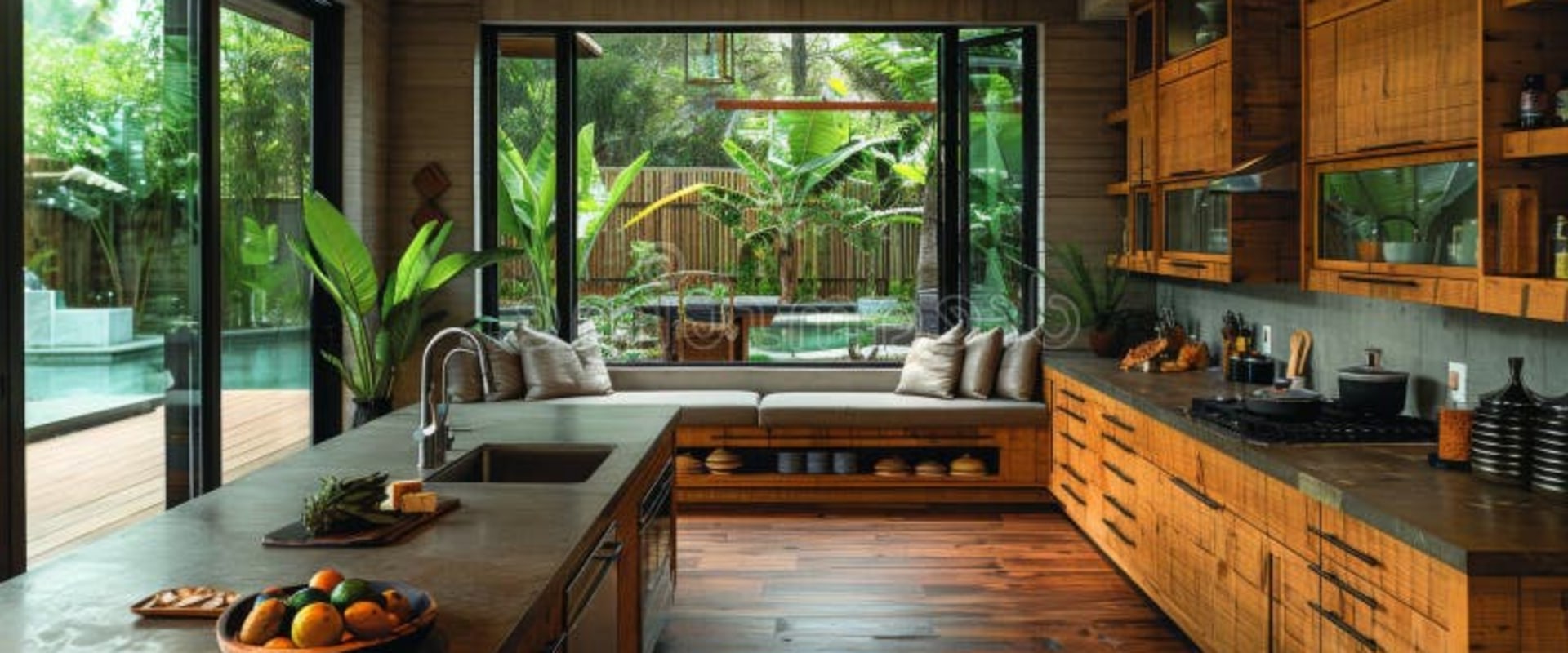
In the realm of kitchen remodeling, the choice of materials plays a pivotal role not only in aesthetics but also in sustainability.
Eco-friendly materials
are those that have a minimal impact on the environment, promoting health and well-being for both homeowners and the planet. These materials are often sourced from renewable resources, are non-toxic, and can be recycled or repurposed, making them an ideal choice for those looking to create a sustainable kitchen. Utilizing sustainable kitchen remodeling practices means opting for materials that reduce waste and energy consumption. For instance, bamboo is a popular choice due to its rapid growth and renewability, while reclaimed wood offers a unique charm and reduces the demand for new lumber.Additionally, low-VOC (volatile organic compounds) paints and finishes contribute to better indoor air quality, ensuring that your kitchen is not only beautiful but also safe for your family. Incorporating green building materials into your kitchen remodel can significantly lower your carbon footprint. By choosing products that are certified by organizations such as the Forest Stewardship Council (FSC) or Energy Star, homeowners can ensure that their remodeling projects align with eco-conscious values. As awareness of environmental issues grows, more homeowners are recognizing the importance of making informed choices that benefit both their living spaces and the world around them.
Benefits of Using Eco-Friendly Materials in Kitchen Remodeling
When considering kitchen remodeling, the choice of materials can significantly impact not only the aesthetics but also the overall functionality and sustainability of the space. Utilizing eco-friendly materials offers a multitude of benefits that extend beyond mere appearance.Environmental Impact One of the most compelling reasons to opt for eco-friendly materials is their reduced environmental footprint.Sustainable materials, such as bamboo, reclaimed wood, and recycled metal, are sourced in ways that minimize harm to the planet. By choosing these options, homeowners can contribute to reducing deforestation, lowering carbon emissions, and conserving natural resources.Health Benefits In addition to environmental advantages, eco-friendly materials often promote better indoor air quality. Many traditional building materials contain harmful chemicals and volatile organic compounds (VOCs) that can lead to health issues over time. In contrast, sustainable options like low-VOC paints and finishes, as well as natural stone countertops, help create a healthier living environment for you and your family.Cost Savings Over Time While the initial investment in eco-friendly materials may be higher than conventional options, they often lead to significant cost savings in the long run.
For instance, energy-efficient appliances and sustainable fixtures can reduce utility bills, while durable materials like quartz or recycled glass countertops require less maintenance and replacement over time. This means that homeowners can enjoy both immediate and long-term financial benefits.Aesthetic Appeal Eco-friendly materials also offer unique aesthetic qualities that can enhance the overall design of your kitchen. From the rich textures of reclaimed wood to the sleek look of recycled glass tiles, these materials can add character and charm to your space while aligning with your values. In summary, incorporating eco-friendly materials into your kitchen remodeling project not only supports environmental sustainability but also promotes health, offers potential cost savings, and enhances aesthetic appeal. Making informed choices about materials can lead to a kitchen that is not only beautiful but also responsible and efficient.
Types of Eco-Friendly Materials for Kitchen Remodeling
When embarking on a kitchen remodeling project, selecting the right materials is crucial for creating a sustainable and eco-friendly space.Here are some of the most popular eco-friendly materials that can enhance both the aesthetics and functionality of your kitchen:
- Bamboo: This rapidly renewable resource is an excellent choice for cabinetry, flooring, and countertops. Bamboo is not only durable but also has a unique aesthetic appeal that can complement various design styles.
- Recycled Glass: Used in countertops, backsplashes, and tiles, recycled glass is a stunning option that adds a modern touch to your kitchen. It is made from post-consumer glass products, reducing waste and energy consumption.
- Reclaimed Wood: Sourcing wood from old barns, factories, or other structures gives new life to materials that would otherwise be discarded. Reclaimed wood can be used for cabinets, shelves, or even as accent walls, providing a rustic charm while minimizing deforestation.
- Low-VOC Paints: Volatile Organic Compounds (VOCs) found in traditional paints can contribute to indoor air pollution.
Opting for low-VOC or zero-VOC paints ensures a healthier environment in your kitchen while still offering a wide range of colors and finishes.
- Cork: As a renewable material harvested from the bark of cork oak trees, cork is an excellent choice for flooring and backsplashes. It is naturally resistant to mold and mildew, making it ideal for kitchen environments.
How to Choose Eco-Friendly Materials for Your Kitchen Remodel
When embarking on a kitchen remodeling project, selecting the right eco-friendly materials is crucial for creating a sustainable and stylish space. Here are some practical tips to guide you in choosing the best options:- Assess Durability: Look for materials that not only meet your aesthetic preferences but also offer long-lasting durability.
For instance, bamboo and reclaimed wood are excellent choices for cabinetry and flooring due to their strength and resistance to wear.
- Consider Aesthetics: Eco-friendly materials come in various styles and finishes. Explore options like recycled glass tiles or low-VOC paints that can enhance the visual appeal of your kitchen while being environmentally responsible.
- Evaluate Cost: While some sustainable products may have a higher upfront cost, consider their long-term savings. Energy-efficient appliances, for example, can significantly reduce utility bills over time.
- Research Certifications: Look for materials that have been certified by recognized organizations, such as the Forest Stewardship Council (FSC) for wood products or Energy Star for appliances. These certifications ensure that the products meet strict environmental standards.
- Local Sourcing: Whenever possible, choose locally sourced materials to minimize transportation emissions and support your community.
Local suppliers often offer unique products that can add character to your remodel.
Incorporating Eco-Friendly Design Principles in Your Kitchen Remodel
When embarking on a kitchen remodeling project, incorporating eco-friendly design principles can significantly enhance both the functionality and aesthetic appeal of your space. By focusing on sustainable practices, you not only contribute to environmental conservation but also create a healthier living environment.Maximizing Natural Light
- Utilize large windows or skylights to flood your kitchen with natural light, reducing the need for artificial lighting during the day.
- Consider using light-colored materials for walls and cabinetry to reflect sunlight, making the space feel brighter and more inviting.
- Incorporate open shelving instead of closed cabinets to allow light to penetrate deeper into the room.
Energy Efficiency
- Choose energy-efficient appliances that have the ENERGY STAR label, which indicates they meet strict energy efficiency guidelines.
- Install LED lighting fixtures that consume less energy and have a longer lifespan compared to traditional bulbs.
- Consider using smart home technology to control lighting and appliances, optimizing energy use based on your daily routines.
Sustainable Material Selection
- Select countertops made from recycled materials, such as glass or reclaimed wood, which not only look stunning but also reduce waste.
- Opt for low-VOC (volatile organic compounds) paints and finishes to improve indoor air quality while minimizing harmful emissions.
- Incorporate bamboo or cork flooring, both of which are renewable resources that add warmth and style to your kitchen.
Case Studies: Successful Eco-Friendly Kitchen Remodels
When considering eco-friendly kitchen remodels, real-life examples can provide valuable insights and inspiration.Here are a few case studies that showcase successful green remodels:
- The Johnson Family Kitchen : This remodel focused on using reclaimed wood for cabinetry and countertops. The Johnsons sourced their materials from a local salvage yard, giving their kitchen a unique character while reducing waste. They also installed energy-efficient appliances, which not only lowered their energy bills but also contributed to a more sustainable home.
- Urban Green Kitchen : Located in a bustling city, this kitchen remodel utilized bamboo flooring and recycled glass tiles for the backsplash. The homeowners prioritized natural light by adding larger windows, which reduced the need for artificial lighting during the day.
Their choice of low-VOC paints ensured better indoor air quality.
- Modern Farmhouse Revamp : In this project, the homeowners opted for a mix of new and vintage materials. They refurbished existing cabinets with eco-friendly paint and replaced hardware with sustainably sourced options. The use of energy-efficient LED lighting throughout the space not only enhanced aesthetics but also minimized energy consumption.
Frequently Asked Questions About Eco-Friendly Kitchen Remodeling
When considering eco-friendly kitchen remodeling, many homeowners have questions about the materials, processes, and benefits involved.Here are some of the most frequently asked questions:
- What are eco-friendly materials? Eco-friendly materials are those that have a minimal impact on the environment. This includes sustainably sourced wood, recycled metal, bamboo, and low-VOC (volatile organic compounds) paints and finishes.
- How do I know if a material is truly sustainable? Look for certifications such as FSC (Forest Stewardship Council) for wood products or LEED (Leadership in Energy and Environmental Design) ratings for overall building materials. These certifications ensure that the materials meet strict environmental standards.
- Are eco-friendly materials more expensive? While some eco-friendly options may have a higher upfront cost, they often lead to long-term savings through energy efficiency and durability. Additionally, many local governments offer incentives for using sustainable materials.
- Can I incorporate eco-friendly practices in my kitchen remodel without a complete overhaul? Absolutely! Simple changes like installing energy-efficient appliances, using low-VOC paints, or adding a composting system can significantly enhance your kitchen's sustainability without requiring a full remodel.
- What are the benefits of using eco-friendly materials? Beyond reducing your carbon footprint, eco-friendly materials can improve indoor air quality, enhance the aesthetic appeal of your kitchen, and increase the overall value of your home.
Conclusion: Embracing Sustainability in Your Kitchen Remodel
In conclusion, embracing sustainability in your kitchen remodeling project is not just a trend; it’s a necessary step towards creating a healthier home and a more sustainable planet.By choosing eco-friendly materials, you can significantly reduce your environmental footprint while enhancing the aesthetic and functional qualities of your kitchen.Throughout this article, we explored various eco-friendly options, including:
- Reclaimed wood for cabinetry and flooring, which not only adds character but also minimizes waste.
- Low-VOC paints that improve indoor air quality, making your kitchen a safer space for your family.
- Recycled glass countertops, which offer durability and unique designs while promoting recycling efforts.
- Sustainable materials like bamboo and cork that are renewable and require less energy to produce.
Together, we can create spaces that are not only beautiful but also responsible.