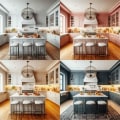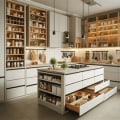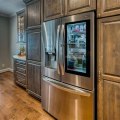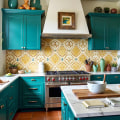
When embarking on a kitchen remodeling project, one of the most crucial aspects to consider is the concept of cohesive design. This principle goes beyond mere aesthetics; it plays a vital role in creating a seamless flow between the kitchen and adjacent rooms. A well-thought-out design transition not only enhances the visual appeal of your home but also contributes to its functionality and overall atmosphere. By ensuring that your kitchen harmonizes with surrounding spaces, you can foster a sense of unity that elevates your entire living environment. The importance of cohesive design cannot be overstated, especially in open-concept layouts where the kitchen often serves as a central hub.
In such settings, the kitchen's style, color palette, and materials should complement those of adjoining areas like the dining room or living space. This alignment helps to avoid jarring contrasts that can disrupt the flow of your home. Instead, a cohesive approach allows for a more inviting and comfortable atmosphere, making it easier for family members and guests to move between spaces. Moreover, achieving a cohesive design during your kitchen remodeling project can significantly increase your home's value. Potential buyers are often drawn to homes that exhibit thoughtful design choices and a harmonious aesthetic.
By investing time and resources into creating a unified look, you not only enhance your daily living experience but also make a wise investment in your property’s future.
Assessing Your Current Space
Before diving into kitchen remodeling, it’s essential to thoroughly assess your current space. This evaluation will help you identify opportunities for creating a cohesive design between the kitchen and adjacent rooms.1.Evaluate the Current Kitchen Layout
- Begin by analyzing the flow of your kitchen. Consider how you move between the kitchen and adjacent areas, such as the dining room or living space. A well-planned layout enhances functionality and promotes a seamless transition.
- Take note of the existing features, such as cabinetry, countertops, and appliances.
Determine which elements can be retained or need replacement to align with your desired aesthetic.
2.Assess Adjacent Rooms
- Look at the color schemes, materials, and overall style of the rooms connected to your kitchen. This will help you understand how to create a unified look throughout your home.
- Consider architectural elements like doorways and windows that connect these spaces. These features can serve as focal points in your design strategy.
3.Identify Design Opportunities
- Once you have a clear understanding of both the kitchen and adjacent rooms, brainstorm ways to harmonize their designs. This could involve matching color palettes, using similar materials, or incorporating consistent design motifs.
- Think about how lighting can play a role in creating cohesion.
For instance, pendant lights in the kitchen can echo fixtures in the dining area.
Choosing a Unified Color Palette
When embarking on a kitchen remodeling project, one of the most impactful decisions you can make is selecting a unified color palette. A cohesive color scheme not only enhances the aesthetic appeal of your kitchen but also creates a seamless transition to adjacent rooms, fostering a sense of harmony throughout your home.To begin, consider the overall style of your home. Whether it’s modern, traditional, or eclectic, your color choices should reflect this style. Here are some tips to help you choose a color palette that promotes cohesion:- Start with a Base Color: Choose a neutral base color for your kitchen walls and cabinetry.
Shades like soft whites, grays, or beiges can serve as a versatile backdrop that complements various decor styles.
- Incorporate Accent Colors: Select one or two accent colors that resonate with the adjacent rooms. These could be drawn from furniture, artwork, or textiles in those spaces. For instance, if your living room features navy blue accents, consider incorporating similar tones in your kitchen accessories.
- Utilize Color Trends: Stay updated on current color trends in remodeling. Colors like sage green or muted terracotta are gaining popularity and can add a fresh touch while maintaining a cohesive look across spaces.
- Consider Lighting: The way colors appear can change dramatically under different lighting conditions.
Test paint samples in various lighting throughout the day to ensure they harmonize well with both the kitchen and adjacent areas.
Selecting Complementary Materials and Textures
When embarking on a kitchen remodeling project, one of the most crucial aspects to consider is the selection of materials and textures that will create a cohesive design between the kitchen and adjacent rooms. The right combination can enhance the overall aesthetic and ensure that each space flows seamlessly into the next.Choosing Complementary Materials
- Countertops: Opt for countertops that not only suit your kitchen's style but also complement the surfaces in nearby areas. For instance, if your living room features a natural stone fireplace, consider using a similar stone for your kitchen countertops.
- Cabinetry: The finish of your kitchen cabinets should harmonize with the wood tones or colors found in adjacent rooms.
A consistent color palette can tie the spaces together, making them feel interconnected.
- Flooring: Flooring choices are pivotal in creating visual continuity. Using the same flooring material or color throughout the kitchen and adjoining spaces can unify the areas, while different textures can add depth without sacrificing cohesion.
Incorporating Textures
- Wall Treatments: Consider how wall textures in your kitchen can relate to those in adjacent rooms. For example, if you have a textured wallpaper in your dining area, a similar texture or color in the kitchen can create a sense of flow.
- Backsplashes: A well-chosen backsplash can serve as a focal point while still echoing elements from other rooms. Choose tiles that reflect colors or patterns found in nearby spaces to maintain harmony.
By thoughtfully considering how each element interacts with others in your home, you can achieve a beautifully cohesive design that elevates your entire living space.
Designing Functional Layouts for Flow
When embarking on a kitchen remodeling project, one of the most crucial aspects to consider is the layout. A well-designed kitchen layout not only enhances functionality but also promotes a seamless flow between the kitchen and adjacent rooms. Here are some key strategies to achieve this:- Open Concept Design: Embracing an open concept layout can significantly improve the interaction between the kitchen and living spaces. By removing walls, you create a sense of spaciousness and allow for better communication among family members and guests.
- Defined Zones: While an open layout is beneficial, it’s essential to define specific zones within the kitchen.
Consider using an island or a peninsula to separate cooking areas from dining or entertaining spaces. This not only enhances functionality but also visually delineates different activities.
- Traffic Flow: Ensure that your kitchen design allows for smooth traffic flow. The work triangle—comprising the stove, sink, and refrigerator—should be unobstructed, allowing multiple people to navigate the space without hindrance. Aim for at least 42 inches of clearance between counters and islands to facilitate movement.
- Consistent Design Elements: To create a cohesive look, use similar materials, colors, and finishes in both the kitchen and adjacent rooms.
For instance, if your kitchen features sleek stainless steel appliances, consider incorporating similar metallic accents in the living area.
- Lighting Considerations: Lighting plays a vital role in connecting spaces. Use pendant lights over the kitchen island that complement fixtures in adjacent rooms. This creates visual continuity while ensuring that each area is well-lit for its intended purpose.
Incorporating Architectural Elements
When embarking on a kitchen remodeling project, one of the most effective ways to create a cohesive design between the kitchen and adjacent rooms is by incorporating architectural elements. These features not only enhance the aesthetic appeal but also establish a seamless flow throughout your home.Arches and Openings
- Arches can serve as elegant transitions between spaces, softening the lines between the kitchen and dining or living areas.
They add a touch of sophistication while maintaining an open feel.
- Consider using doorways with matching trim or moldings that echo the style of your kitchen cabinetry. This creates a visual connection that ties the spaces together.
Columns and Beams
- Columns can be used to define spaces without closing them off. For instance, a columned entryway into the kitchen can provide structure while allowing light and sightlines to flow freely.
- If your home features exposed beams, consider extending this architectural detail into the kitchen. This not only enhances the rustic charm but also reinforces the connection between rooms.
Moldings and Trim
- Crown moldings and baseboards should be consistent throughout your home.
Using similar styles and colors in both the kitchen and adjacent rooms will create a unified look.
- Incorporate wainscoting or paneling in both spaces to enhance visual continuity. This technique can add depth and character while ensuring that both areas feel like part of a cohesive whole.
Utilizing Lighting to Enhance Cohesion
When it comes to kitchen remodeling, one of the most impactful yet often overlooked elements is lighting. Properly designed lighting can create a seamless transition between the kitchen and adjacent rooms, enhancing the overall aesthetic and functionality of your home.Layered Lighting Solutions
- Ambient Lighting: This is the primary source of light in any room.
In the kitchen, consider recessed lighting or ceiling fixtures that provide even illumination. Ensure that this lighting style flows into adjacent spaces, such as the dining area or living room, to maintain a cohesive look.
- Task Lighting: Focused lighting is essential for specific activities like cooking or reading. Under-cabinet lights in the kitchen can be mirrored with similar fixtures in nearby areas, such as a reading nook or workspace, to create a unified design.
- Accent Lighting: Use accent lights to highlight architectural features or decor. Pendant lights over an island can be complemented by similar fixtures in adjoining rooms, tying the spaces together visually.
Trends in Kitchen Lighting
Current trends emphasize the use of cohesive lighting solutions that not only serve functional purposes but also enhance the mood of your home.
For instance, using warm-toned LED bulbs can create a welcoming atmosphere that flows from the kitchen into living spaces. Additionally, smart lighting systems allow you to control brightness and color temperature throughout your home, ensuring that all areas harmonize beautifully.Incorporating these lighting strategies during your kitchen remodel will not only improve functionality but also elevate the overall design aesthetic, making your home feel more connected and inviting.
Creating Visual Connections with Decor and Accessories
Creating a cohesive design between the kitchen and adjacent rooms is essential for a harmonious home environment. One effective way to achieve this is through the use of decor and accessories that establish visual connections.Color Coordination
- Choose a color palette that flows seamlessly from the kitchen into the adjoining spaces. For instance, if your kitchen features warm earth tones, consider incorporating similar hues in the living room or dining area.
- Accent colors can also be used to tie different areas together.
A vibrant shade found in kitchen accessories, such as dishware or textiles, can be echoed in throw pillows or artwork in adjacent rooms.
Consistent Materials
- Utilizing similar materials across spaces can enhance the overall aesthetic. For example, if your kitchen boasts a beautiful hardwood floor, consider extending that flooring into the dining area or hallway.
- Countertops and cabinetry finishes can also be mirrored in furniture pieces or shelving units nearby, creating a sense of unity.
Thoughtful Accessories
- Incorporate accessories that reflect the style of both the kitchen and adjacent rooms. For example, decorative bowls or vases placed on kitchen countertops can be complemented by similar items on dining tables or shelves.
- Artwork is another powerful tool; select pieces that resonate with both spaces. A painting featuring kitchen-related themes can serve as a bridge between the two areas.
Functional Decor
- Consider using functional decor items that serve a purpose while enhancing aesthetics.
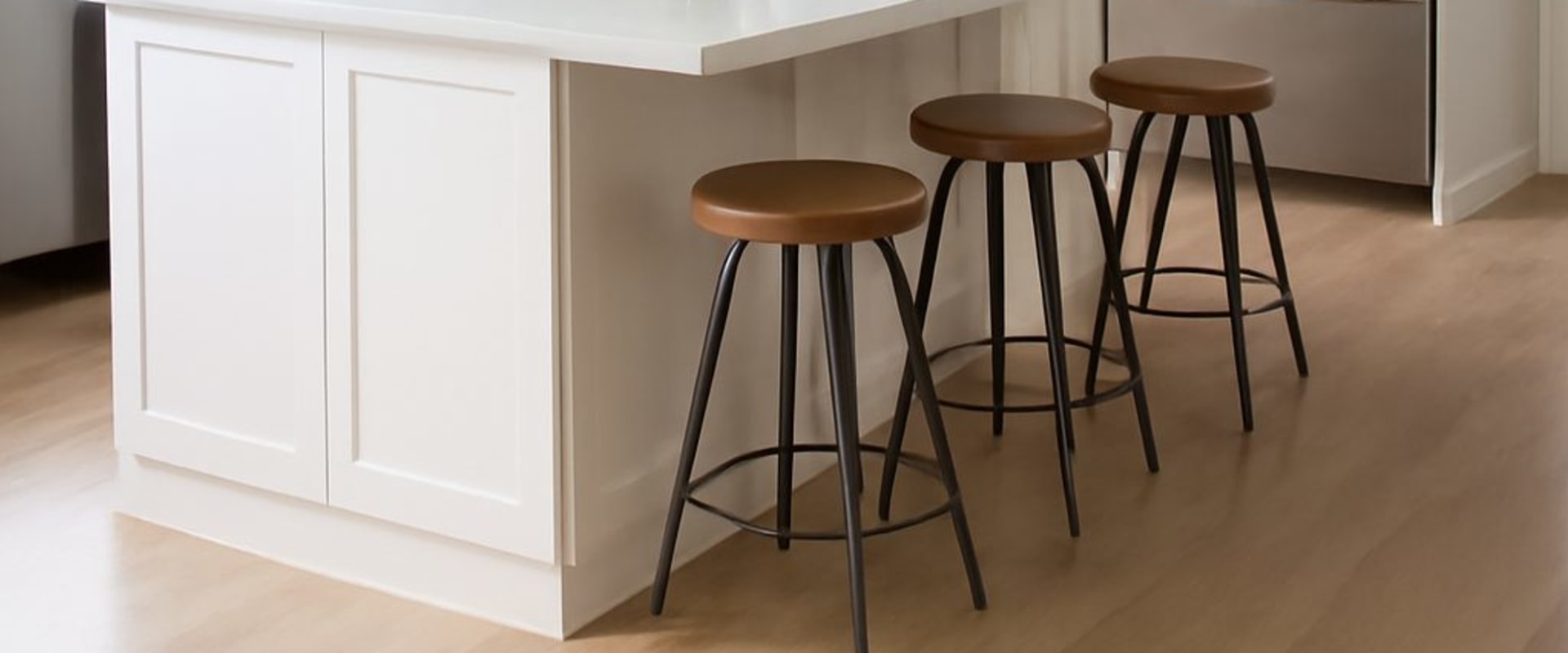
For instance, stylish bar stools at a kitchen island can match dining chairs in an open-concept space.
- Lighting fixtures are also crucial; choose pendant lights for the kitchen that harmonize with chandeliers or lamps in adjacent rooms to create a cohesive look.
FAQs About Cohesive Kitchen Remodeling Design
When it comes to kitchen remodeling, achieving a cohesive design with adjacent rooms is a common concern. Here are some frequently asked questions that can help guide your remodeling journey:What are the key elements for a cohesive design?
To create a seamless flow between your kitchen and nearby spaces, consider the following elements:- Color Palette: Use a consistent color scheme throughout the connected areas. This can include matching wall colors, cabinetry, and accents.
- Materials: Select similar materials for countertops, flooring, and cabinetry. For instance, if you choose hardwood floors in the kitchen, consider extending that material into the dining or living area.
- Style: Ensure that the overall style—be it modern, rustic, or traditional—is reflected in both the kitchen and adjacent rooms.
How can I incorporate lighting for cohesion?
Lighting plays a crucial role in unifying spaces.Here are some tips:
- Layered Lighting: Use a combination of ambient, task, and accent lighting to create depth and warmth.
- Consistent Fixtures: Choose similar light fixtures or styles that complement each other across rooms.
- Natural Light: Maximize natural light by using open layouts or large windows to connect the kitchen with adjacent areas.
What are some tips for maintaining functionality?
A cohesive design should not compromise functionality. Consider these tips:- Open Layouts: An open floor plan can enhance flow and accessibility between the kitchen and living spaces.
- Zoning: Use furniture placement or area rugs to define spaces while maintaining visual continuity.
- Traffic Patterns: Ensure that pathways between rooms are clear and logical to facilitate movement.
Conclusion: Key Takeaways for a Cohesive Kitchen Remodel
In conclusion, achieving a cohesive design between your kitchen and adjacent rooms during a remodel is essential for creating a harmonious living space. By considering the following key takeaways, you can ensure that your kitchen not only meets functional needs but also enhances the overall aesthetic of your home.- Color Palette: Choose a consistent color scheme that flows seamlessly from the kitchen to adjoining areas. This can be achieved by using similar hues or complementary colors that tie the spaces together.
- Material Selection: Use similar materials for countertops, cabinetry, and flooring across both the kitchen and adjacent rooms.
This creates visual continuity and reinforces the design theme.
- Architectural Features: Incorporate architectural elements such as moldings, trim, or open shelving that echo throughout both spaces. This not only enhances the design but also adds character.
- Lighting Design: Ensure that lighting fixtures are cohesive in style and function. Consider pendant lights over the kitchen island that match or complement fixtures in nearby rooms.
- Functional Flow: Plan the layout to promote an easy flow between spaces. Open-concept designs can help achieve this, but even in more traditional layouts, consider how each area interacts with the others.
By focusing on these elements, you can create a stunning and functional space that feels like a natural extension of your home.