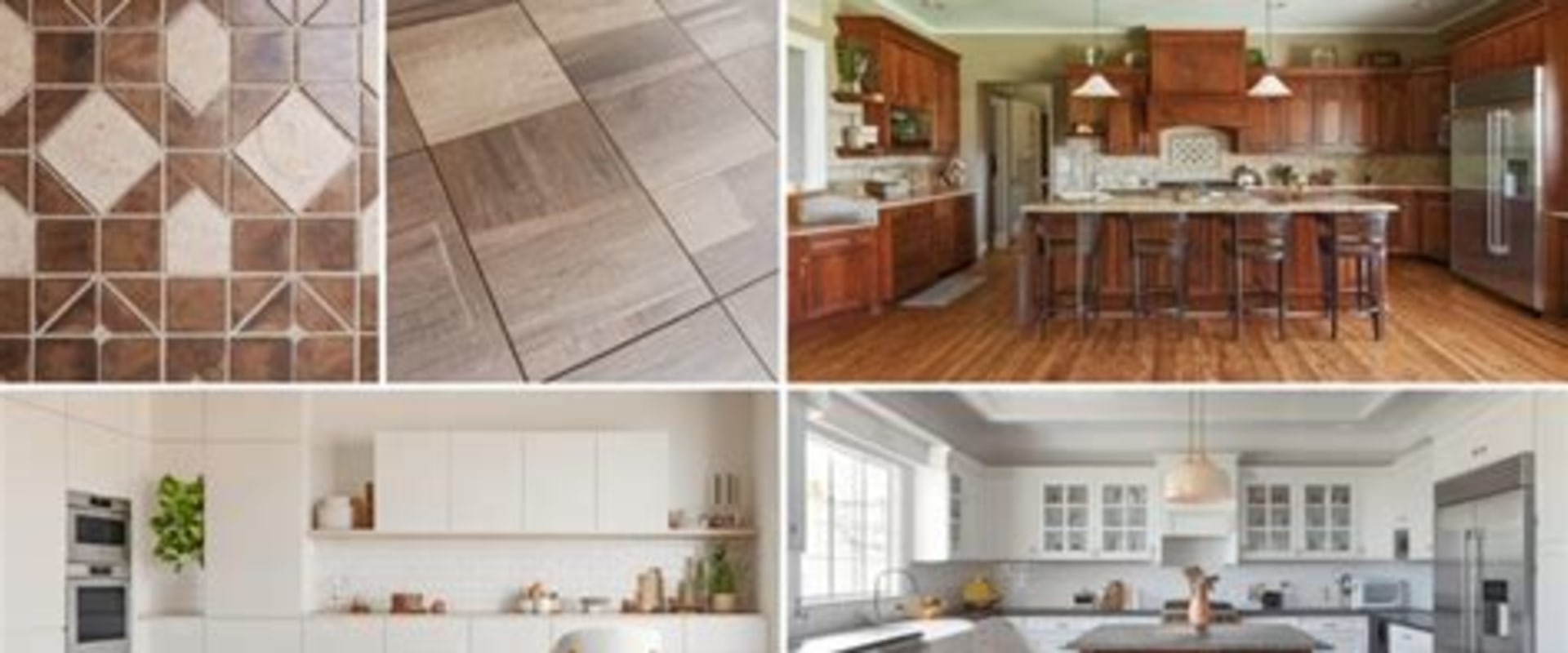
When it comes to kitchen remodeling, the choice of flooring is often an overlooked aspect that can significantly influence the overall design and functionality of the space. Flooring serves not only as a foundation for your kitchen but also as a critical element that ties together various design components, from cabinetry to countertops. The right flooring option can enhance the aesthetic appeal of your kitchen while also providing practical benefits such as durability and ease of maintenance. Different flooring options offer unique characteristics that can either complement or clash with your desired kitchen style. For instance, hardwood floors exude warmth and elegance, making them ideal for traditional or rustic designs.
On the other hand, sleek tiles or polished concrete can create a modern, minimalist look that appeals to contemporary tastes. Understanding how these materials interact with light, color, and texture is essential for achieving a cohesive design. Moreover, the impact of flooring extends beyond mere aesthetics; it also affects the functionality of your kitchen. High-traffic areas require durable materials that can withstand wear and tear, while slip-resistant surfaces are crucial for safety in a space where spills are common. As you embark on your kitchen remodeling journey, considering how your flooring choice aligns with both style and practicality will set the stage for a successful transformation.
Types of Flooring Options for Kitchen Remodeling
When it comes to kitchen remodeling, the choice of flooring can significantly influence both the functionality and aesthetic appeal of the space.Here are some popular types of kitchen flooring to consider:
- Hardwood: Known for its timeless beauty, hardwood flooring adds warmth and elegance to any kitchen. It is durable and can be refinished multiple times, but it may be susceptible to water damage and requires regular maintenance.
- Tile: Ceramic or porcelain tiles are a popular choice due to their durability and resistance to moisture. They come in a variety of styles, colors, and patterns, making them versatile for different design themes. However, tile can be cold underfoot and may require grout maintenance.
- Laminate: This budget-friendly option mimics the look of hardwood or stone but is more resistant to scratches and stains.
Laminate is easy to install and maintain, but it may not add as much value to your home as other materials.
- Vinyl: Vinyl flooring is another affordable option that offers a wide range of designs, including those that resemble natural materials. It is water-resistant, making it ideal for kitchens, but may not be as durable as tile or hardwood.
Conversely, if you lean towards a rustic aesthetic, hardwood or laminate could enhance that charm. Ultimately, the right flooring choice will not only complement your kitchen's design but also provide the durability needed for daily use.
How Flooring Affects Kitchen Aesthetics
The choice of flooring in a kitchen remodel can significantly influence the overall aesthetic and functionality of the space. From color to texture, each element plays a crucial role in creating a cohesive design that reflects personal style and enhances the kitchen's atmosphere.Color Impact
- Light-colored flooring, such as pale oak or whitewashed tiles, can make a kitchen feel more spacious and airy. This is particularly beneficial in smaller kitchens where maximizing light is essential.
- Dark flooring, like rich walnut or slate, adds depth and warmth, creating a cozy environment. However, it can also make a space feel smaller if not balanced with lighter cabinetry or walls.
- Bold colors, such as vibrant reds or blues, can serve as a statement piece, drawing attention and adding personality to the kitchen.
These choices work well in eclectic or modern designs.
Texture and Pattern
- Textured flooring, such as hand-scraped hardwood or patterned tiles, can introduce visual interest and tactile appeal. This is especially effective in rustic or farmhouse-style kitchens.
- Patterns, whether through tile layouts or wood grain, can guide the eye and create a sense of movement within the space. For instance, herringbone patterns can add sophistication and elegance.
- Conversely, uniform flooring can provide a clean and streamlined look, which is ideal for contemporary designs that emphasize minimalism.
The Functional Aspects of Kitchen Flooring
When it comes to kitchen remodeling, the choice of flooring plays a crucial role in enhancing both the aesthetic and functional aspects of the space.The right flooring not only complements the overall design but also addresses practical needs such as durability, maintenance, and safety.
Durability
In a kitchen environment, where spills and heavy foot traffic are common, selecting a durable flooring material is essential. Options like ceramic tiles, vinyl planks, and engineered hardwood are known for their resilience. These materials can withstand the wear and tear of daily use while maintaining their appearance over time. For instance, ceramic tiles are resistant to scratches and stains, making them an ideal choice for busy kitchens.Maintenance
Ease of maintenance is another critical factor to consider when choosing kitchen flooring.Some materials require more upkeep than others. For example:
- Vinyl flooring: Known for its low maintenance requirements, vinyl can be easily cleaned with a damp mop and does not require sealing.
- Tile flooring: While durable, grout lines can accumulate dirt and grime, necessitating regular cleaning to keep them looking fresh.
- Hardwood floors: Although beautiful, they may need periodic refinishing and are more susceptible to water damage if not properly sealed.
Safety Considerations
Safety is paramount in any kitchen design. Flooring materials should provide adequate traction to prevent slips and falls, especially in areas prone to moisture. Textured tiles or slip-resistant vinyl can enhance safety without compromising style.Additionally, consider the comfort of the flooring underfoot; softer materials like cork or rubber can reduce fatigue during long periods of standing while cooking or entertaining.In summary, when remodeling your kitchen, prioritizing functionality through durable, easy-to-maintain, and safe flooring options will not only enhance the usability of the space but also contribute to a cohesive design that meets your family's needs.
Trends in Kitchen Flooring for Modern Remodels
As homeowners increasingly seek to create spaces that reflect their personal style while remaining functional, kitchen flooring trends in 2023 have evolved to meet these demands. Modern kitchen designs are characterized by a blend of aesthetics and practicality, making the choice of flooring more crucial than ever.One of the most notable trends is the rise of luxury vinyl plank (LVP). This material mimics the look of hardwood or stone but offers superior durability and water resistance, making it ideal for busy kitchens. Homeowners appreciate LVP for its ease of maintenance and variety of styles, which can complement any modern kitchen design.Tile flooring
continues to be a popular choice as well, particularly with the advent of large-format tiles that create a seamless look.These tiles can be found in various finishes, from matte to glossy, and can be arranged in unique patterns to add visual interest. Additionally, ceramic and porcelain tiles are favored for their resilience and ability to withstand heavy foot traffic.Another trend gaining traction is the use of eco-friendly materials. Sustainable options like bamboo and cork are not only stylish but also contribute to a healthier environment. These materials offer unique textures and colors that can enhance the overall design of a remodeled kitchen.In terms of color palettes, neutral tones remain dominant, with shades like gray, beige, and white providing a versatile backdrop for vibrant cabinetry and decor.
However, bold colors are making a comeback as accent floors or in patterned tiles, allowing homeowners to express their individuality.Ultimately, the choice of flooring in a kitchen remodel is pivotal in shaping the overall design. By staying informed about current trends and selecting materials that align with both style and functionality, homeowners can create a kitchen that is not only beautiful but also practical for everyday use.
Integrating Flooring with Other Design Elements
When it comes to kitchen remodeling, the flooring you choose plays a pivotal role in the overall design aesthetic. To create a harmonious space, it’s essential to integrate your flooring with other key elements such as cabinetry, countertops, and appliances.Coordinating Colors
- Start by selecting a color palette that resonates throughout the kitchen. If your cabinetry is a rich mahogany, consider flooring in a complementary tone, such as a lighter oak or a warm beige.
- For a modern look, opt for monochromatic schemes where the flooring and cabinetry share similar hues but differ in texture.
- Don’t shy away from bold contrasts; pairing dark flooring with light cabinetry can create a striking visual impact.
Matching Cabinetry and Flooring
- Consider the style of your cabinetry when choosing flooring.
Traditional cabinets may pair well with classic hardwood floors, while sleek, contemporary cabinets might look best with polished concrete or large-format tiles.
- Texture is also important; if your cabinets have intricate details, smoother flooring can help balance the visual weight.
Incorporating Countertops and Appliances
- Your countertops should also be factored into the equation. If you have granite countertops with bold veining, choose flooring that won’t compete for attention but rather enhances the overall look.
- Appliances can serve as an additional design element. Stainless steel appliances often pair well with both light and dark flooring options, providing versatility in your design choices.
FAQs About Kitchen Flooring Choices
When it comes to kitchen remodeling, choosing the right flooring can be a daunting task.Here are some frequently asked questions that can help guide your decision-making process.
What are the best flooring options for a kitchen?
Some of the most popular flooring options for kitchens include:- Tile: Durable and water-resistant, tile is a great choice for high-traffic areas.
- Hardwood: Offers warmth and beauty, but may require more maintenance.
- Laminates: Affordable and available in various styles, laminates can mimic the look of wood or stone.
- Vinyl: Water-resistant and easy to clean, vinyl is ideal for busy kitchens.
How does flooring affect the overall design of my kitchen?
The flooring you choose can significantly influence the aesthetic and functionality of your kitchen. For instance:- Color and Texture: Lighter floors can make a space feel larger, while darker tones add depth.
- Style Compatibility: The flooring should complement your cabinetry and countertops to create a cohesive look.
- Durability: Choosing a durable material ensures that your kitchen remains beautiful and functional over time.
Is it necessary to match my kitchen flooring with other rooms?
While it’s not mandatory to match your kitchen flooring with adjacent rooms, maintaining a consistent style can enhance the flow of your home. If you prefer different materials, consider using similar colors or textures to create harmony.What should I consider when selecting kitchen flooring?
When selecting flooring for your kitchen, consider the following factors:- Traffic Levels: High-traffic areas require more durable materials.
- Moisture Resistance: Kitchens are prone to spills; choose water-resistant options.
- Maintenance Requirements: Some materials require more upkeep than others.
Conclusion: Making Informed Flooring Choices for Your Kitchen Remodel
In conclusion, the choice of flooring in your kitchen remodeling project is a critical decision that can significantly influence both the aesthetic and functional aspects of the space. As we have explored, the right flooring not only enhances the visual appeal of your kitchen but also contributes to its overall usability and comfort. When selecting flooring, consider the following key points:- Durability: Kitchens are high-traffic areas prone to spills and stains.
Opt for materials like tile, vinyl, or engineered hardwood that can withstand wear and tear.
- Style: The flooring should complement your kitchen's design theme, whether it’s modern, rustic, or traditional. For instance, sleek tiles may suit a contemporary kitchen, while reclaimed wood might enhance a farmhouse aesthetic.
- Comfort: Consider how the flooring feels underfoot. Soft options like cork or luxury vinyl can provide comfort during long cooking sessions.
- Maintenance: Choose materials that are easy to clean and maintain. This is especially important in a kitchen where hygiene is paramount.
A well-chosen floor can tie together your kitchen's design elements, making it a cohesive and inviting space for family and friends. Remember, your kitchen is not just a place for cooking; it’s the heart of your home. Make informed choices that reflect your style and meet your practical needs.