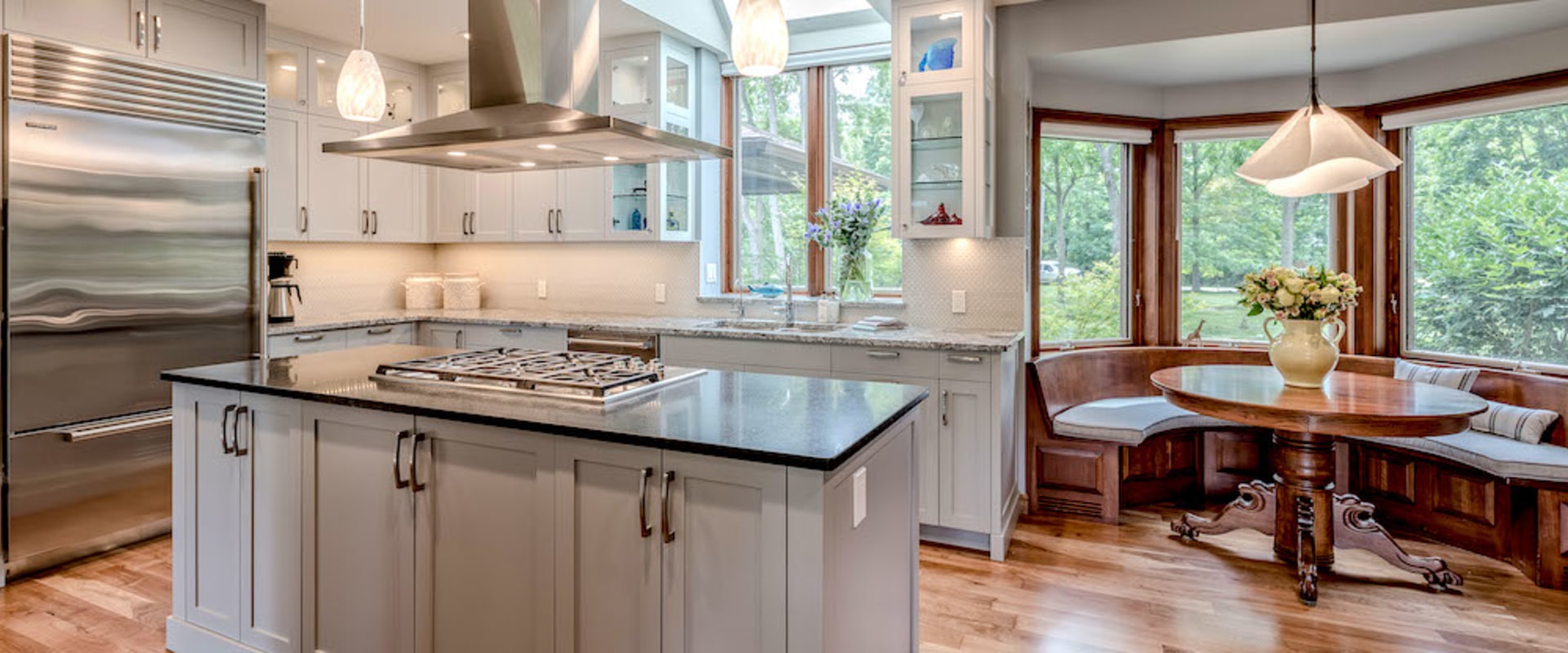
In today's world, where sustainability and cost-effectiveness are paramount, energy efficiency has emerged as a crucial consideration for homeowners embarking on a kitchen remodeling project. The kitchen, often regarded as the heart of the home, is not only a space for culinary creativity but also a significant contributor to household energy consumption. By integrating energy-efficient practices and products into your remodel, you can create a more sustainable environment while also enjoying long-term savings on utility bills. Understanding the importance of energy efficiency in kitchen remodeling goes beyond mere aesthetics; it encompasses the selection of appliances, lighting, and materials that minimize energy use without sacrificing functionality or style. For instance, opting for Energy Star-rated appliances can drastically reduce energy consumption compared to standard models.
Additionally, incorporating LED lighting not only enhances the ambiance but also lowers electricity costs significantly. The benefits of prioritizing energy efficiency in your kitchen remodel are manifold. Not only do you contribute to environmental conservation by reducing your carbon footprint, but you also increase the overall value of your home. Energy-efficient kitchens are increasingly appealing to potential buyers, making your investment worthwhile in the long run. As you plan your remodel, consider how each choice can lead to a more efficient and eco-friendly kitchen that meets both your needs and those of the planet.
Assessing Your Current Kitchen's Energy Use
To effectively incorporate energy efficiency into your kitchen remodeling project, the first step is to assess your current kitchen's energy use.Understanding how energy is consumed in your kitchen can help identify areas for improvement and inform your remodeling decisions.
Conducting an Energy Audit
An energy audit is a systematic approach to evaluating your kitchen's energy consumption. Here are some steps to conduct a thorough audit:
- Review Utility Bills: Start by examining your past utility bills to identify patterns in energy usage. Look for spikes in consumption that may indicate inefficiencies.
- Inspect Appliances: Check the age and efficiency ratings of your kitchen appliances. Older models often consume more energy than newer, energy-efficient ones.
- Evaluate Lighting: Assess the type of lighting used in your kitchen.
Traditional incandescent bulbs are less efficient compared to LED or CFL options.
- Check Insulation and Sealing: Inspect windows, doors, and any gaps where air might escape. Proper insulation and sealing can significantly reduce heating and cooling costs.
Identifying Areas for Improvement
Once you have completed your audit, it’s time to pinpoint specific areas for improvement:
- Upgrade Appliances: Consider replacing outdated appliances with ENERGY STAR-rated models that use less energy without sacrificing performance.
- Enhance Lighting: Switch to energy-efficient lighting solutions that provide better illumination while consuming less power.
- Optimize Layout: During your remodel, think about the layout of your kitchen. A well-planned layout can improve workflow and reduce unnecessary energy use.
- Install Smart Technology: Incorporate smart home technology that allows you to monitor and control energy use in real-time, making it easier to manage consumption.
Choosing Energy-Efficient Appliances
When embarking on a kitchen remodeling project, one of the most impactful decisions you can make is selecting energy-efficient appliances. These appliances not only help reduce your energy bills but also contribute to a more sustainable environment.Understanding how to choose the right appliances and interpret their energy ratings is crucial for maximizing efficiency.
Understanding Energy Ratings
Energy ratings provide valuable information about an appliance's efficiency. Look for the Energy Star label, which indicates that the appliance meets strict energy efficiency guidelines set by the U.S. Environmental Protection Agency. Additionally, check the EnergyGuide label, which shows estimated annual energy consumption and operating costs.This information can help you compare different models and make informed choices.
Best Appliances for Kitchen Remodeling
Here are some recommendations for energy-efficient appliances to consider during your kitchen remodel:- Refrigerators: Opt for models with a top freezer configuration, as they tend to use less energy than side-by-side models.
- Dishwashers: Look for dishwashers that have a soil sensor feature, which adjusts water usage based on how dirty the dishes are.
- Ovens: Consider convection ovens that cook food more evenly and often require lower temperatures and shorter cooking times.
- Cooktops: Induction cooktops are highly efficient and heat up quickly, reducing cooking time and energy consumption.
Incorporating Sustainable Materials
Incorporating sustainable materials into your kitchen remodeling project not only enhances the aesthetic appeal of your space but also significantly contributes to energy efficiency and environmental conservation. By choosing eco-friendly kitchen remodeling options, homeowners can reduce their carbon footprint while enjoying a modern and stylish kitchen.One of the most impactful choices is the selection of green building materials. Here are some sustainable options to consider:- Bamboo Flooring: Bamboo is a rapidly renewable resource that offers durability and a unique look.
It requires less energy to produce compared to traditional hardwoods, making it an excellent choice for eco-conscious homeowners.
- Recycled Glass Countertops: Made from post-consumer glass, these countertops are not only stunning but also help divert waste from landfills. They are available in various colors and styles, allowing for customization while promoting sustainability.
- Low-VOC Paints: Volatile organic compounds (VOCs) can negatively impact indoor air quality. Opting for low-VOC or zero-VOC paints ensures a healthier environment for your family while still providing vibrant color options.
- Sustainable Wood Cabinets: Look for cabinets made from reclaimed wood or certified by organizations like the Forest Stewardship Council (FSC). These materials are sourced responsibly, ensuring that forests are managed sustainably.
Appliances with the Energy Star label consume less energy and water, further enhancing the overall efficiency of your kitchen.By integrating these sustainable materials into your kitchen remodeling project, you not only create a beautiful space but also contribute to a healthier planet. The long-term benefits of energy efficiency and reduced environmental impact make these choices worthwhile investments for any homeowner.
Optimizing Lighting for Energy Efficiency
When it comes to kitchen remodeling, optimizing lighting is a crucial aspect that can significantly enhance both functionality and energy efficiency. By selecting the right lighting solutions, homeowners can create a well-lit environment while reducing energy consumption.Energy-Efficient Lighting Options
One of the most effective ways to achieve energy efficiency in your kitchen is by incorporating energy-efficient lighting options. Here are some popular choices:- LED Lighting: LED lights are known for their longevity and low energy usage.
They consume up to 75% less energy than traditional incandescent bulbs and can last up to 25 times longer.
- CFL Bulbs: Compact fluorescent lamps (CFLs) are another energy-efficient option. They use about 70% less energy than incandescent bulbs and have a longer lifespan.
- Smart Lighting: Integrating smart lighting systems allows you to control your kitchen lights remotely, set schedules, and even adjust brightness levels, further enhancing energy savings.
Benefits of LED Lighting
Among the various options, LED lighting stands out for several reasons:- Cost-Effective: Although the initial investment may be higher, the long-term savings on energy bills make LEDs a cost-effective choice.
- Variety of Styles: LEDs come in various shapes, sizes, and color temperatures, allowing you to customize your kitchen's ambiance.
- Low Heat Emission: Unlike traditional bulbs, LEDs emit very little heat, making them safer and more comfortable in a kitchen environment.
Enhancing Insulation and Ventilation
Incorporating energy efficiency into your kitchen remodeling project starts with enhancing insulation and ventilation. Proper insulation helps maintain a consistent temperature, reducing the need for heating and cooling, while effective ventilation improves air quality and minimizes moisture buildup.Kitchen Insulation Tips
- Choose Energy-Efficient Materials: Opt for high-quality insulation materials such as spray foam or rigid foam boards that provide superior thermal resistance.
- Seal Gaps and Cracks: Inspect areas around windows, doors, and plumbing fixtures for gaps.
Use caulk or weatherstripping to seal these openings, preventing air leaks.
- Insulate Walls and Ceilings: Ensure that exterior walls and ceilings are properly insulated. This is especially important in kitchens where heat-generating appliances are used.
Ventilation Systems for Kitchens
A well-designed ventilation system is crucial for maintaining a healthy kitchen environment. Consider the following options:- Range Hoods: Install a high-efficiency range hood that vents outside to remove smoke, odors, and excess heat from cooking.
- Exhaust Fans: Use exhaust fans in areas prone to moisture, such as above the stove or near the sink, to help control humidity levels.
- Naturally Ventilated Windows: Incorporate operable windows that allow for natural airflow, enhancing ventilation without relying solely on mechanical systems.
By focusing on insulation and ventilation during your kitchen remodeling project, you can create a space that is both energy-efficient and comfortable.
Smart Technology Integration in Kitchen Remodeling
Incorporating smart technology into your kitchen remodeling project can significantly enhance energy efficiency while adding convenience and modernity to your home. By integrating home automation systems, you can monitor and control various kitchen appliances, ensuring they operate at optimal efficiency.Smart kitchen technology
includes a range of devices designed to help you manage energy consumption effectively. Here are some examples:- Smart Thermostats: These devices learn your cooking habits and adjust the temperature accordingly, reducing energy waste when the kitchen is not in use.
- Smart Lighting: LED bulbs paired with smart switches or dimmers can be programmed to turn off when not needed, significantly lowering electricity usage.
- Energy Monitoring Plugs: These plugs allow you to track the energy consumption of individual appliances, helping you identify which devices are using the most power.
- Smart Refrigerators: Equipped with features like temperature control and alerts for when doors are left open, these appliances help maintain optimal conditions while minimizing energy use.
- Smart Ovens: Many modern ovens come with features that allow you to preheat remotely or monitor cooking times via an app, ensuring that they are only on when necessary.
This level of integration not only simplifies your daily routines but also ensures that energy efficiency remains a priority in your kitchen.In conclusion, by embracing smart technology, your kitchen remodeling project can lead to significant energy savings while providing a modern and efficient cooking environment. As you plan your remodel, consider how these innovations can fit into your design and lifestyle.
Budgeting for Energy-Efficient Upgrades
When planning a kitchen remodeling project, budgeting for energy-efficient upgrades is crucial to ensure that you maximize both your investment and the long-term savings on utility bills. Here are some key considerations to help you effectively budget for these upgrades.Understanding the Costs
The cost of energy-efficient upgrades can vary significantly based on the choices you make. Here are some common upgrades and their estimated costs:- Energy-efficient appliances: Upgrading to ENERGY STAR-rated appliances can range from $1,000 to $5,000, depending on the type and brand.
- Insulation and windows: Improving insulation or replacing windows with energy-efficient models can cost between $2,000 and $10,000.
- Lighting: Switching to LED lighting can be a cost-effective upgrade, typically costing around $100 to $500 for a full kitchen.
- Water-saving fixtures: Installing low-flow faucets and fixtures may add an additional $200 to $1,000 to your budget.
Financing Options
Many homeowners may find it challenging to cover the upfront costs of energy-efficient upgrades.Fortunately, there are several financing options available:
- Home equity loans: These loans allow you to borrow against the equity in your home, often at lower interest rates than personal loans.
- Energy efficiency rebates: Check with local utility companies or government programs that offer rebates for energy-efficient upgrades, which can significantly reduce your overall costs.
- Personal loans: If you prefer not to tap into your home equity, personal loans can provide the necessary funds for your remodel.
- Credit cards: For smaller projects, using a credit card with a low-interest rate can be a viable option, but be cautious of accumulating debt.
Frequently Asked Questions about Energy Efficiency in Kitchen Remodeling
When considering energy efficiency in your kitchen remodeling project, homeowners often have several questions. Here are some of the most frequently asked questions:- What are the best energy-efficient appliances for a kitchen remodel?
Look for appliances that have the Energy Star label, which indicates they meet energy efficiency guidelines set by the U.S. Common energy-efficient appliances include refrigerators, dishwashers, and ovens that consume less electricity and water. - How can I improve lighting efficiency in my kitchen?
Switching to LED lighting is one of the simplest ways to enhance lighting efficiency.LEDs use significantly less energy than traditional incandescent bulbs and have a longer lifespan. Additionally, consider installing dimmer switches and utilizing natural light through strategically placed windows or skylights.
- Is it worth investing in energy-efficient windows?
Yes, investing in energy-efficient windows can lead to substantial savings on heating and cooling costs. Look for double or triple-pane windows with low-E coatings that reflect heat while allowing natural light to enter. - What are some tips for maximizing energy efficiency during a remodel?
Here are a few tips:
- Use sustainable materials such as bamboo or reclaimed wood for cabinets and countertops.
- Incorporate proper insulation to reduce heating and cooling needs.
- Design an open layout to improve airflow and reduce reliance on heating and cooling systems.
Conclusion: The Future of Energy-Efficient Kitchens
Incorporating energy efficiency into your kitchen remodeling project is not just a trend; it is a necessity for sustainable living and long-term cost savings. As we have explored throughout this article, the choices you make during your remodel can significantly impact both your energy consumption and your utility bills.From selecting energy-efficient appliances to optimizing your kitchen layout for better natural light, every decision counts.By investing in high-efficiency products, such as Energy Star rated appliances and LED lighting, you can reduce your energy usage without sacrificing performance or style.Moreover, considering sustainable materials for countertops, cabinets, and flooring not only enhances the aesthetic appeal of your kitchen but also contributes to a healthier environment. Materials like bamboo or recycled glass are excellent choices that align with energy-efficient practices.Additionally, proper insulation and ventilation play crucial roles in maintaining an energy-efficient kitchen. Ensuring that your kitchen is well-insulated can help regulate temperature, reducing the need for heating and cooling systems to work overtime.
Key Takeaways:
- Energy efficiency leads to lower utility bills and a reduced carbon footprint.
- Investing in high-efficiency appliances and fixtures pays off in the long run.
- Sustainable materials enhance both aesthetics and environmental impact.
- Proper insulation and ventilation are essential for maintaining energy efficiency.
By prioritizing energy efficiency in your kitchen remodeling project, you not only enhance your home’s functionality but also contribute positively to the planet.In conclusion, embracing energy efficiency in your kitchen remodel is a smart investment that yields benefits for both you and the environment. As technology advances and more options become available, now is the perfect time to make informed choices that will lead to a brighter, more sustainable future.