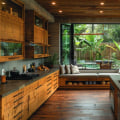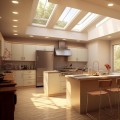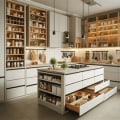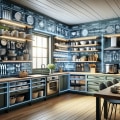
When it comes to kitchen remodeling, the significance of cabinets cannot be overstated. They serve as both functional storage solutions and key aesthetic elements that define the overall look and feel of the space. In fact, cabinets often take up a substantial portion of the kitchen's visual real estate, making their design and condition pivotal in creating a cohesive and inviting environment. As homeowners seek to enhance their kitchens, understanding the importance of cabinet aesthetics becomes essential. In recent years, kitchen design trends have evolved, emphasizing not just functionality but also style.
From sleek modern finishes to rustic farmhouse vibes, the choices available for cabinet updates are vast and varied. This evolution highlights a growing recognition that cabinets are not merely utilitarian; they are integral to the kitchen's character. By updating cabinet aesthetics, homeowners can breathe new life into their kitchens, aligning them with contemporary trends while also reflecting personal taste. Moreover, investing in cabinet updates during a remodel can significantly impact the overall value of a home. Potential buyers often prioritize kitchens when evaluating properties, and well-designed cabinets can make a lasting impression.
Therefore, understanding how to effectively update cabinet looks is not just about enhancing beauty; it’s also about ensuring that your kitchen remains functional and appealing in a competitive market.
Painting Cabinets: A Cost-Effective Transformation
One of the most effective ways to update your kitchen during a remodel is by painting your cabinets. This cost-effective transformation can breathe new life into your space without the need for a complete overhaul.Preparation is Key
- Remove Hardware: Start by taking off all cabinet doors, drawers, and hardware. This will make the painting process smoother and ensure a more professional finish.
- Clean Surfaces: Thoroughly clean the surfaces to remove grease and grime. A mixture of warm water and mild detergent works well.
- Sanding: Lightly sand the surfaces to create a texture that helps the paint adhere better.
Use a fine-grit sandpaper for this step.
- Prime: Apply a high-quality primer suitable for your cabinet material. This step is crucial for achieving an even color and preventing stains from bleeding through.
Painting Techniques
When it comes to painting, you have several options:
- Brush and Roller: Using a brush for corners and detailed areas, followed by a roller for flat surfaces, can yield a smooth finish.
- Spray Painting: For a flawless, factory-like finish, consider using a paint sprayer. This method requires more preparation but can save time and effort.
Color Choices
The color you choose can dramatically affect the overall look of your kitchen. Here are some popular cabinet paint ideas:
- Classic White: Timeless and versatile, white cabinets can make your kitchen feel larger and brighter.
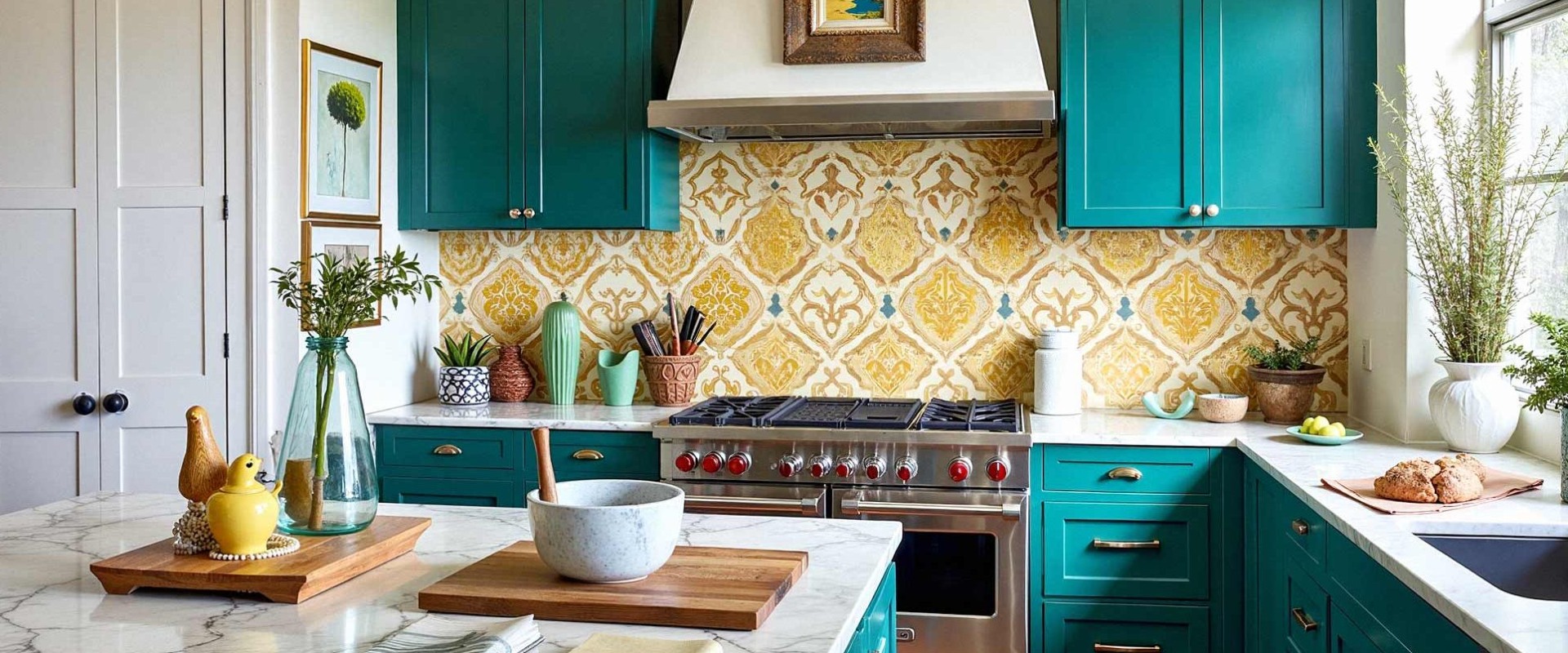
- Bold Colors: If you're looking to make a statement, consider deep blues or greens that add character and warmth.
- Pale Pastels: Soft shades like mint or blush can create a charming, vintage feel.
With careful preparation and thoughtful color choices, you can achieve stunning results that elevate your entire space during your kitchen remodeling project.
Refinishing vs. Replacing: Making the Right Choice
When considering kitchen remodeling, one of the most significant decisions revolves around whether to refinish your existing cabinets or to replace them entirely. Each option has its own set of advantages and considerations that can impact both your budget and the overall aesthetic of your kitchen.Refinishing Cabinets
Refinishing is often a cost-effective solution, especially if your cabinets are structurally sound but simply lack the desired style. This process involves sanding down the existing finish and applying a new stain or paint, which can dramatically change the look of your cabinets without the expense of new materials.- When to Refinish: If your cabinets are in good condition, refinishing is a viable option.
Look for signs such as minimal wear, no significant damage, and a style that can be updated with a fresh coat of paint or stain.
- Budget-Friendly: Refinishing typically costs less than replacing cabinets, making it an attractive choice for those on a tighter budget.
- Quick Turnaround: The refinishing process can often be completed in a shorter time frame compared to full replacement.
Replacing Cabinets
If your cabinets are outdated, damaged, or simply not meeting your needs, replacing them may be the best route. This option allows for complete customization and can significantly enhance the functionality and style of your kitchen.- Cabinet Replacement Options: There are numerous styles and materials available, from traditional wood to modern laminates. Consider what fits best with your overall kitchen design.
- Long-Term Investment: While more expensive upfront, new cabinets can increase the value of your home and provide a longer lifespan than refinished options.
- Enhanced Functionality: New cabinets can be designed to better suit your storage needs, incorporating features like pull-out shelves or built-in organizers.
Adding New Hardware: Small Changes, Big Impact
When it comes to kitchen remodeling, one of the most impactful yet often overlooked elements is the choice of cabinet hardware.Updating your cabinet knobs and pulls can transform the entire aesthetic of your kitchen, making it feel fresh and modern without the need for a complete overhaul.
Choosing the Right Hardware
- Style: Consider the overall design of your kitchen. For a contemporary look, opt for sleek, minimalist hardware in finishes like brushed nickel or matte black. If your kitchen has a more traditional vibe, ornate knobs in antique brass or oil-rubbed bronze can add a touch of elegance.
- Size: The scale of your hardware should be proportionate to your cabinets. Larger pulls can make a bold statement on oversized cabinets, while smaller knobs work well on more delicate cabinetry.
- Functionality: Don’t forget about usability.
Choose hardware that is comfortable to grip and easy to operate, especially in a busy kitchen environment.
The Impact of Cabinet Hardware on Design
The right cabinet hardware can serve as a focal point in your kitchen. It can tie together various design elements, such as countertops, backsplashes, and appliances. For instance, if you have stainless steel appliances, matching your cabinet pulls to this finish can create a cohesive look. Alternatively, contrasting finishes can add visual interest and depth.Additionally, consider mixing and matching different styles for a more eclectic feel.
Combining modern pulls with vintage knobs can create a unique blend that reflects your personal style.In summary, updating cabinet hardware is a simple yet effective way to enhance your kitchen's design during a remodel. By carefully selecting styles that complement your overall theme, you can achieve a polished and inviting space that feels both functional and stylish.
Incorporating Open Shelving: A Modern Twist
In recent years, open shelving has emerged as a popular choice for homeowners looking to update their kitchens during a remodel. This design trend not only offers a fresh, modern aesthetic but also enhances functionality in various ways.Benefits of Open Shelving
- Accessibility: Open shelves make it easy to access frequently used items, eliminating the need to rummage through cabinets.
- Visual Appeal: They create an airy feel, making the kitchen appear larger and more inviting. Displaying beautiful dishware or decorative items can add a personal touch.
- Cost-Effective: Transitioning to open shelving can be more budget-friendly than installing new cabinets, especially if you repurpose existing materials.
- Encourages Organization: With everything on display, you’re more likely to keep your kitchen organized and tidy.
How to Transition from Cabinets to Shelves
- Assess Your Space: Before removing cabinets, evaluate your kitchen layout.
Ensure that open shelving will fit well with your overall design and functionality needs.
- Select the Right Location: Choose areas that are easily accessible but also visible. Above countertops or in corners can be ideal spots for open shelves.
- Choose Materials Wisely: Opt for durable materials that complement your kitchen’s style. Wood, metal, or glass can all work beautifully depending on your theme.
- Style Your Shelves: Use a mix of functional and decorative items. Group similar items together and incorporate plants or artwork for added interest.
With careful planning and execution, this modern twist can transform your kitchen into a functional work of art.
Using Cabinet Wraps and Decals for a Quick Update
When it comes to kitchen remodeling, one of the most effective ways to achieve a fresh look without a complete overhaul is by using cabinet wraps and decals. These innovative solutions offer a quick and cost-effective way to transform your kitchen's aesthetic.What are Cabinet Wraps?
Cabinet wraps are essentially large vinyl sheets that adhere directly to your existing cabinet surfaces. They come in a variety of colors, patterns, and finishes, allowing you to customize your kitchen according to your personal style. The application process is straightforward:
- Clean the Surface: Ensure that your cabinets are clean and free from grease or dust.
- Measure and Cut: Measure your cabinet doors and cut the wrap accordingly.
- Apply the Wrap: Peel off the backing and carefully apply the wrap, smoothing out any bubbles as you go.
Using Decals on Cabinets
If you're looking for an even quicker update, consider using decals.
These can be applied to both flat surfaces and raised panels, making them versatile for various cabinet styles. Decals come in numerous designs, from intricate patterns to bold graphics, allowing you to express your creativity.
- Easy Application: Similar to wraps, decals can be applied with minimal tools—just peel and stick!
- Temporary Updates: If you like changing things up frequently, decals are an excellent choice as they can be removed without damaging the underlying surface.
Mixing Materials: Creating a Unique Look with Different Finishes
When it comes to kitchen remodeling, one of the most effective ways to achieve a distinctive aesthetic is by mixing materials for your cabinets. This approach not only adds visual interest but also allows for a personalized touch that reflects your style.Combining Wood and Metal
- Wood cabinets bring warmth and texture to a kitchen, while metal accents can introduce a modern edge.
- Consider using wooden cabinet doors paired with metal frames or handles.
This combination can create a striking contrast that enhances the overall design.
- For a cohesive look, choose metals that complement the wood tones, such as brushed nickel or matte black finishes.
Unique Cabinet Finishes
- Experimenting with different finishes can elevate your cabinets from ordinary to extraordinary. For instance, a distressed finish on wood cabinets can evoke a rustic charm, while a high-gloss lacquer can add a contemporary flair.
- Two-tone cabinets are another popular trend. Pairing a darker shade on the lower cabinets with a lighter hue on the upper ones can create depth and dimension in your kitchen.
- If you’re feeling adventurous, consider incorporating textured finishes like shaker-style doors or even patterned laminates to add an unexpected twist.
Cohesive Design Tips
- To ensure that your mixed materials work harmoniously, maintain a consistent color palette throughout the kitchen.
- Incorporate other elements, such as countertops and backsplashes, that echo the materials used in your cabinets.
- Lastly, don’t forget about lighting; it plays a crucial role in highlighting the unique features of your mixed-material cabinets.
Lighting Solutions: Enhancing Cabinet Features with Illumination
When it comes to kitchen remodeling, one of the most impactful yet often overlooked elements is lighting. Properly designed lighting can not only enhance the functionality of your kitchen but also elevate the aesthetic appeal of your cabinets.Types of Lighting for Kitchen Cabinets
- Under-Cabinet Lighting: This type of lighting is installed beneath the upper cabinets and serves a dual purpose.
It provides essential task lighting for food preparation while also creating a warm glow that highlights the beauty of your countertops and cabinetry.
- Cabinet Interior Lighting: Installing lights inside glass-front cabinets can showcase your dishware or decorative items. LED strip lights or puck lights are excellent options for illuminating these spaces, adding a touch of elegance.
- Accent Lighting: Use accent lights to draw attention to specific features, such as crown molding or unique cabinet designs. This can be achieved with recessed lighting or wall-mounted fixtures that focus on particular areas.
Placement Strategies for Maximum Effect
The placement of your lighting is crucial in achieving the desired effect. Here are some tips:- Layer Your Lighting: Combine ambient, task, and accent lighting to create a well-rounded illumination scheme.
This layering will help in achieving a balanced look that enhances the overall design.
- Consider Dimming Options: Installing dimmer switches allows you to adjust the brightness according to the time of day or occasion, providing flexibility in how your kitchen feels.
- Highlight Textures and Colors: Use warm-toned lights to enhance wood finishes and cool-toned lights for modern, sleek cabinetry. The right color temperature can significantly affect how your cabinets are perceived.
Frequently Asked Questions About Updating Kitchen Cabinets
Updating kitchen cabinets can significantly enhance the overall aesthetic and functionality of your space. Here are some frequently asked questions regarding this process:- What are the most cost-effective ways to update kitchen cabinets?
One of the most budget-friendly options is to refinish or paint your existing cabinets.This can give them a fresh look without the expense of new cabinetry. Additionally, replacing hardware such as knobs and pulls can make a big impact.
- Is it better to replace or reface cabinets?
This depends on the condition of your current cabinets. If they are structurally sound, refacing (which involves replacing the doors and drawer fronts while keeping the existing framework) can be a great option. However, if they are damaged or outdated, full replacement may be necessary. - How can I modernize my kitchen cabinets?
Consider incorporating open shelving, which can create a more contemporary feel.Additionally, using lighter colors or adding glass inserts to cabinet doors can help modernize the look.
- What styles are trending for kitchen cabinets?
Currently, shaker-style cabinets, which feature a simple, clean design, are very popular. Other trends include two-tone cabinetry and natural wood finishes that bring warmth to the kitchen.
Conclusion: Key Takeaways for Updating Your Kitchen Cabinets
Updating the look of your kitchen cabinets is a crucial aspect of any kitchen remodeling project. It not only enhances the overall aesthetic of your space but also adds value to your home.Here are some key takeaways to consider when planning your cabinet updates:
- Choose the Right Finish: Whether you opt for paint, stain, or a natural wood finish, the right choice can dramatically change the feel of your kitchen. Light colors can make a small space feel larger, while darker shades can add warmth and sophistication.
- Incorporate Modern Hardware: Updating cabinet knobs and pulls is a simple yet effective way to refresh your cabinets. Consider materials like brushed nickel or matte black for a contemporary look.
- Consider Open Shelving: Replacing some upper cabinets with open shelves can create an airy feel and provide a space to display decorative items or frequently used dishes.
- Utilize Cabinet Refacing: If you’re looking for a cost-effective solution, cabinet refacing allows you to keep the existing structure while updating the doors and drawer fronts.
- Add Lighting: Installing under-cabinet lighting can highlight your new cabinet finishes and improve functionality, making your kitchen more inviting.
Embrace these ideas as you embark on your kitchen remodeling journey, and enjoy the transformation of one of the most important spaces in your home.