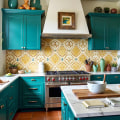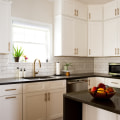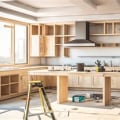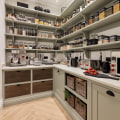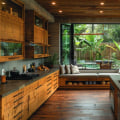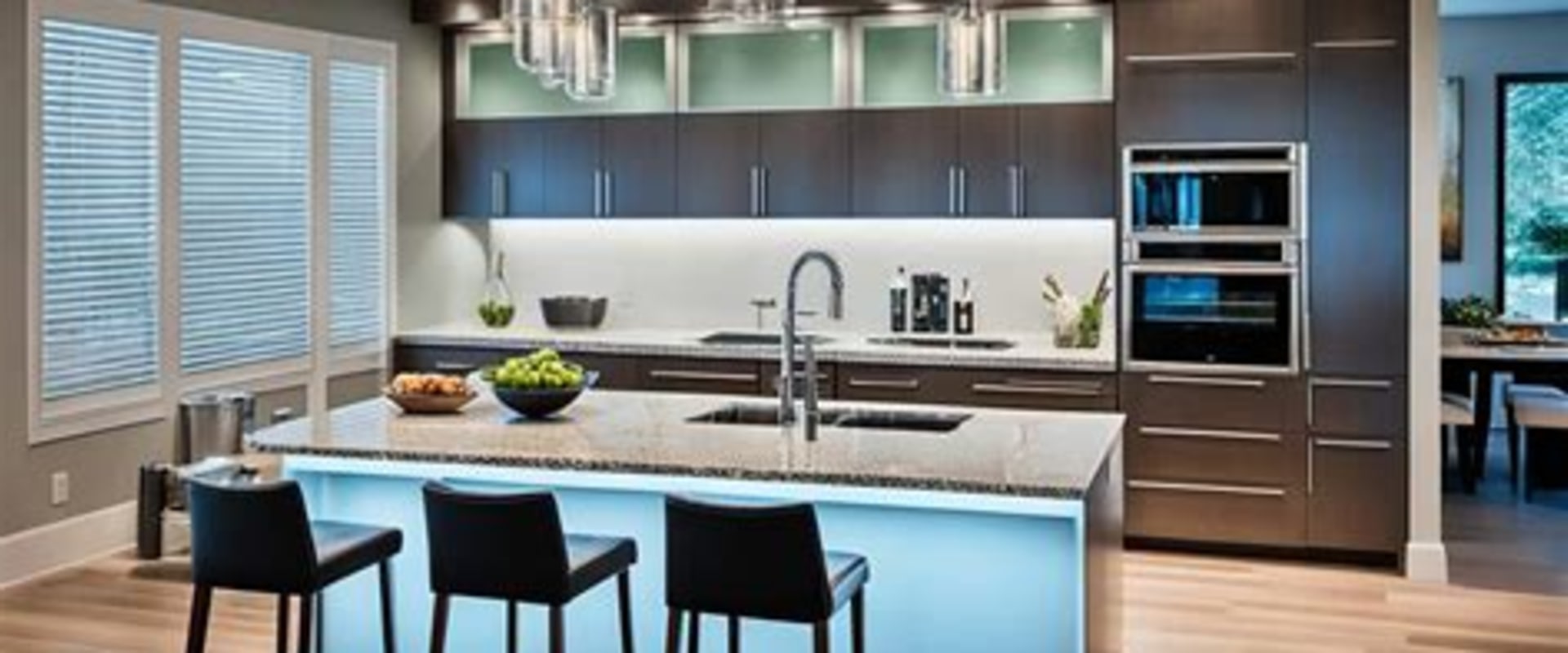
When embarking on a kitchen remodeling project, one of the most critical yet often overlooked elements is lighting. The right lighting can transform a kitchen from a mere cooking space into a vibrant hub of activity, enhancing both its functionality and aesthetic appeal. Understanding the importance of lighting in kitchen remodeling is essential for creating an environment that is not only visually pleasing but also practical for everyday use. Effective kitchen lighting serves multiple purposes. It illuminates work areas, ensuring safety and efficiency while preparing meals, and it sets the mood for gatherings with family and friends.
By incorporating various types of lighting—such as ambient, task, and accent lighting—homeowners can achieve a well-balanced atmosphere that caters to different activities. For instance, bright task lighting over countertops can facilitate meal prep, while softer ambient lighting can create a cozy ambiance for evening dinners. Moreover, the benefits of thoughtful lighting design extend beyond mere functionality. A well-lit kitchen can make the space appear larger and more inviting, showcasing design elements such as cabinetry and countertops. By strategically placing fixtures and utilizing natural light sources, homeowners can enhance the overall aesthetic of their kitchen remodel.
In essence, lighting is not just an afterthought; it is a fundamental component that can elevate the entire remodeling experience.
Types of Kitchen Lighting
When it comes to kitchen remodeling, understanding the different types of lighting is essential for creating a space that is both functional and visually appealing. The three primary types of kitchen lighting are ambient lighting, task lighting, and accent lighting, each serving a unique purpose in the overall design.Ambient Lighting
Ambient lighting provides the general illumination needed to light up the entire kitchen. This type of lighting is crucial for safety and comfort, allowing you to navigate the space easily. Common sources of ambient lighting include ceiling-mounted fixtures, recessed lights, and pendant lights.When selecting ambient lighting, consider fixtures that complement your kitchen's style while providing adequate brightness.
Task Lighting
Task lighting focuses on specific areas where activities such as cooking, chopping, or reading recipes take place. This type of lighting is essential for enhancing functionality in your kitchen remodel. Under-cabinet lights, pendant lights over islands, and track lighting are popular choices for task lighting. By illuminating work surfaces effectively, task lighting reduces eye strain and increases efficiency during meal preparation.Accent Lighting
Accent lighting adds a decorative touch to your kitchen while highlighting architectural features or design elements.This type of lighting can be used to showcase artwork, glass cabinets, or unique backsplash tiles. Options for accent lighting include wall sconces, LED strip lights, and spotlights. Incorporating accent lighting not only enhances the aesthetic appeal but also creates a warm and inviting atmosphere.In summary, a well-thought-out combination of ambient, task, and accent lighting can transform your kitchen into a functional yet stylish space. By carefully selecting and layering these types of lighting during your kitchen remodeling project, you can achieve both practicality and beauty in your culinary haven.
Planning Your Kitchen Lighting Layout
When embarking on a kitchen remodeling project, one of the most crucial aspects to consider is your kitchen lighting layout.A well-planned lighting scheme not only enhances the functionality of your kitchen but also elevates its aesthetic appeal. Here are some key steps to effectively plan your kitchen lights:
- Assess Your Space: Begin by evaluating the size and layout of your kitchen. Identify areas that require more light, such as workspaces, islands, and dining areas. Consider the natural light sources available and how they change throughout the day.
- Define Zones: Divide your kitchen into distinct zones based on activities.
For instance, cooking zones may need brighter task lighting, while dining areas can benefit from softer ambient lighting. This zoning approach helps in creating a balanced kitchen remodel lighting plan.
- Select Lighting Types: Incorporate a mix of lighting types to achieve both functionality and style. Use recessed lights for general illumination, pendant lights over islands for focused task lighting, and under-cabinet lights to brighten countertops. Each type serves a unique purpose and contributes to the overall design.
- Consider Dimmers: Installing dimmer switches allows you to adjust the brightness according to the time of day or occasion.
This flexibility enhances both usability and ambiance, making your kitchen a versatile space.
- Choose Fixtures Wisely: The style of your light fixtures should complement your kitchen's design theme. Whether you prefer modern, rustic, or traditional styles, select fixtures that enhance the overall aesthetic while providing adequate light.
Choosing the Right Fixtures for Your Kitchen Remodel
When it comes to kitchen remodeling, selecting the right lighting fixtures is crucial for achieving both functionality and aesthetic appeal.The right fixtures not only illuminate your workspace but also enhance the overall design of your kitchen.
Types of Kitchen Lighting Fixtures
- Task Lighting: This type of lighting focuses on specific areas where you perform tasks, such as countertops and islands. Under-cabinet lights and pendant lights are excellent choices for task lighting.
- Ambient Lighting: Ambient lighting provides overall illumination for the kitchen. Ceiling-mounted fixtures, chandeliers, or recessed lights can create a warm and inviting atmosphere.
- Accent Lighting: Use accent lighting to highlight architectural features or decorative elements in your kitchen. Wall sconces or LED strip lights can add a touch of elegance.
Choosing Kitchen Lights
When selecting kitchen lights, consider the following factors:
- Style: Choose fixtures that complement your kitchen's design theme, whether it's modern, traditional, or farmhouse.
- Size: Ensure that the size of the fixtures is proportionate to your kitchen space.
Oversized fixtures can overwhelm a small kitchen, while tiny lights may get lost in a larger area.
- Color Temperature: Opt for bulbs with a color temperature between 2700K and 3000K for a warm glow that enhances the kitchen's ambiance.
The Best Fixtures for Kitchen Remodel
Some popular choices for kitchen lighting fixtures include:
- Pendant Lights: Ideal for islands and dining areas, these fixtures come in various styles and can serve as statement pieces.
- Recessed Lighting: Perfect for providing unobtrusive ambient light, recessed lights can be strategically placed to eliminate shadows.
- Chandeliers: A bold chandelier can serve as a focal point in larger kitchens, adding elegance and sophistication.
Incorporating Smart Lighting Solutions
Incorporating smart lighting solutions into your kitchen remodel can significantly enhance both functionality and aesthetics. These advanced systems not only provide illumination but also offer convenience and energy efficiency, making them a perfect fit for modern kitchens.Smart kitchen lighting
allows homeowners to control their lights through mobile apps or voice commands, providing flexibility in how and when the kitchen is lit. For instance, you can set the mood for a dinner party with soft, warm lighting or brighten the space for meal prep with cooler tones.This adaptability is essential in a multifunctional area like the kitchen.One popular option is to install automated kitchen lights that adjust based on the time of day or occupancy. Motion sensors can turn lights on when someone enters the room and off when they leave, ensuring that energy is not wasted. Additionally, smart dimmers can be integrated into your lighting design, allowing you to customize brightness levels according to your needs.
- LED Strip Lighting: These can be placed under cabinets or along shelves to create an inviting ambiance while providing task lighting.
- Smart Bulbs: Replace traditional bulbs with smart versions that can change color and intensity, controlled via smartphone or voice assistant.
- Task Lighting: Focused lighting over work areas such as countertops or islands ensures safety and efficiency during food preparation.
This synergy not only improves comfort but also contributes to energy savings.In conclusion, incorporating technology in kitchen remodels through smart lighting solutions elevates the overall experience of your kitchen. By focusing on both aesthetics and practicality, you create a space that is not only beautiful but also highly functional.
Common Mistakes to Avoid in Kitchen Lighting Design
When it comes to kitchen remodeling, lighting is often an afterthought, leading to common mistakes that can compromise both functionality and aesthetics. Here are some frequent pitfalls to avoid:- Neglecting Layered Lighting: One of the biggest errors is relying solely on overhead lighting. A well-designed kitchen should incorporate ambient, task, and accent lighting.
Ambient lighting provides overall illumination, task lighting focuses on work areas like countertops, and accent lighting highlights architectural features or decor.
- Ignoring Natural Light: Failing to consider the impact of natural light can lead to a poorly lit space during the day. Positioning windows or skylights strategically can enhance the kitchen's brightness and reduce reliance on artificial lighting.
- Inadequate Brightness: Using bulbs that are too dim can make cooking and food preparation difficult. Ensure that your light fixtures provide sufficient brightness, especially in work zones. A good rule of thumb is to aim for at least 100 lumens per square foot in task areas.
- Overlooking Dimmers: Not installing dimmer switches is a common mistake.
Dimmers allow you to adjust the light intensity based on the time of day or activity, enhancing both functionality and mood.
- Choosing Fixtures Without Scale Consideration: Selecting light fixtures that are too small or too large for the space can disrupt the visual balance of your kitchen. Always consider the scale of your fixtures in relation to your kitchen’s size and layout.
FAQs About Kitchen Lighting in Remodeling Projects
When it comes to kitchen remodeling, lighting plays a crucial role in both functionality and aesthetics. Here are some frequently asked questions that can help clarify common concerns about kitchen lighting:- What types of lighting should I consider for my kitchen?
In a kitchen remodel, it's essential to incorporate three types of lighting: ambient, task, and accent.Ambient lighting provides overall illumination, task lighting focuses on specific areas like countertops and islands, and accent lighting highlights architectural features or decor.
- How can I improve the functionality of my kitchen with lighting?
To enhance functionality, consider installing under-cabinet lights for better visibility while cooking. Pendant lights over islands or dining areas can also provide focused light where it's needed most. - What is the best color temperature for kitchen lighting?
A color temperature between 3000K and 4000K is ideal for kitchens. This range offers a warm yet bright light that enhances the colors of food and materials without being too harsh. - How do I choose the right fixtures for my kitchen?
Select fixtures that complement your overall design style. For modern kitchens, sleek pendant lights or recessed lighting work well, while rustic designs may benefit from vintage-style fixtures. - Can I use dimmers in my kitchen remodel?
Absolutely! Dimmers allow you to adjust the brightness according to the time of day or activity, making your kitchen more versatile.
Conclusion: The Impact of Thoughtful Lighting on Your Kitchen Remodel
In conclusion, the role of lighting in a kitchen remodel cannot be overstated.It serves not only as a functional element but also as a key component in enhancing the overall aesthetic appeal of the space. By carefully considering your lighting choices, you can create a kitchen that is both practical and inviting. Throughout this article, we explored various aspects of kitchen remodeling with a focus on lighting:
- Layering light: Combining ambient, task, and accent lighting allows for versatility and adaptability in your kitchen.
- Choosing fixtures: Selecting the right fixtures can dramatically change the mood and style of your kitchen, from modern pendant lights to classic chandeliers.
- Energy efficiency: Incorporating LED lighting not only reduces energy costs but also contributes to a sustainable kitchen environment.
- Highlighting features: Using lighting to accentuate architectural details or design elements can add depth and character to your kitchen.