In the realm of home improvement, kitchen remodeling stands out as one of the most impactful projects a homeowner can undertake. The kitchen is often considered the heart of the home, serving not only as a space for cooking but also as a gathering place for family and friends. Therefore, investing in a remodel can significantly enhance both the functionality and aesthetics of this vital area. A well-designed kitchen can improve workflow, increase storage options, and create an inviting atmosphere that encourages social interaction. The importance of kitchen design cannot be overstated.
A thoughtfully remodeled kitchen can transform an outdated space into a modern culinary haven, equipped with the latest appliances and smart storage solutions. This transformation often includes the addition of features like islands or breakfast bars, which not only provide extra counter space but also serve as multifunctional areas for meal prep, dining, and entertaining. These elements can significantly enhance the usability of the kitchen, making it more adaptable to various activities. Moreover, the benefits of remodeling extend beyond mere aesthetics and functionality. A renovated kitchen can increase the overall value of a home, making it more appealing to potential buyers.
In today’s real estate market, a modern kitchen is often a key selling point that can set a property apart from others. Thus, understanding how to effectively incorporate features like islands and breakfast bars into your kitchen remodel is essential for maximizing both enjoyment and investment return.
Understanding Kitchen Islands and Breakfast Bars
In the realm of kitchen remodeling, understanding the roles of kitchen islands and breakfast bars is essential for creating a functional and aesthetically pleasing space. Both elements serve as multifunctional hubs that can significantly enhance the usability of your kitchen.Kitchen Islands
- Definition: A kitchen island is a freestanding structure that typically includes additional counter space, storage, and sometimes appliances.
- Types: There are various types of kitchen islands, including:
- Mobile Islands: These are portable and can be moved around as needed.
- Fixed Islands: Permanently installed, these islands often feature built-in storage and appliances.
- Multi-Level Islands: These islands have varying heights, allowing for different functions such as cooking and dining.
Breakfast Bars
- Definition: A breakfast bar is a type of counter space that is designed for casual dining, often integrated into a kitchen island or countertop.
- Benefits: Incorporating a breakfast bar into your kitchen can offer several advantages:
- Space Efficiency: It provides additional seating without requiring a full dining table.
- Sociability: Breakfast bars create an inviting atmosphere for family and friends to gather while cooking or enjoying meals.
- Versatility: They can serve multiple purposes, from quick breakfasts to homework stations for kids.
Functional Benefits of Adding an Island or Breakfast Bar
Incorporating an island or breakfast bar into your kitchen remodeling project can significantly enhance both the functionality and overall design of the space.These features not only serve as aesthetic focal points but also provide practical benefits that cater to the needs of modern households.
Additional Storage Solutions
- Kitchen islands often come equipped with cabinets and drawers, offering extra storage for pots, pans, and kitchen gadgets. This is especially beneficial in smaller kitchens where space is at a premium.
- A breakfast bar can also include built-in shelves or cabinets, allowing for easy access to frequently used items while keeping countertops clutter-free.
Enhanced Workspace
- The expansive surface area of an island provides ample room for meal preparation, making it easier to cook and entertain simultaneously. This is particularly advantageous for families who enjoy cooking together.
- With a designated workspace, homeowners can keep their main countertops clear, promoting a more organized kitchen environment.
Seating Options
- A breakfast bar offers a casual dining option that encourages family interaction during meals or while preparing food. It creates a welcoming atmosphere where family members can gather.
- This feature is ideal for quick breakfasts or snacks, allowing for a more efficient use of time in busy households.
Improved Kitchen Layout
- Islands and breakfast bars can help define different areas within an open-concept kitchen, enhancing flow and functionality.
They create a natural division between cooking and dining spaces.
- By strategically placing an island or breakfast bar, homeowners can optimize traffic patterns, making it easier to move around the kitchen without obstruction.
Design Enhancements Offered by Islands and Breakfast Bars
In the realm of kitchen remodeling, the integration of islands and breakfast bars serves not only functional purposes but also significantly enhances the overall design aesthetic of the space. These features can transform a standard kitchen into a modern culinary hub, reflecting current design trends while providing practical benefits.Design Benefits of Kitchen Islands
Kitchen islands are often considered the centerpiece of a remodeled kitchen. They offer ample workspace, making meal preparation more efficient.Additionally, islands can be customized with various materials such as quartz, granite, or butcher block, allowing homeowners to choose finishes that complement their existing decor. The versatility of islands means they can also include built-in appliances, such as cooktops or dishwashers, further enhancing functionality.
Aesthetic Appeal of Breakfast Bars
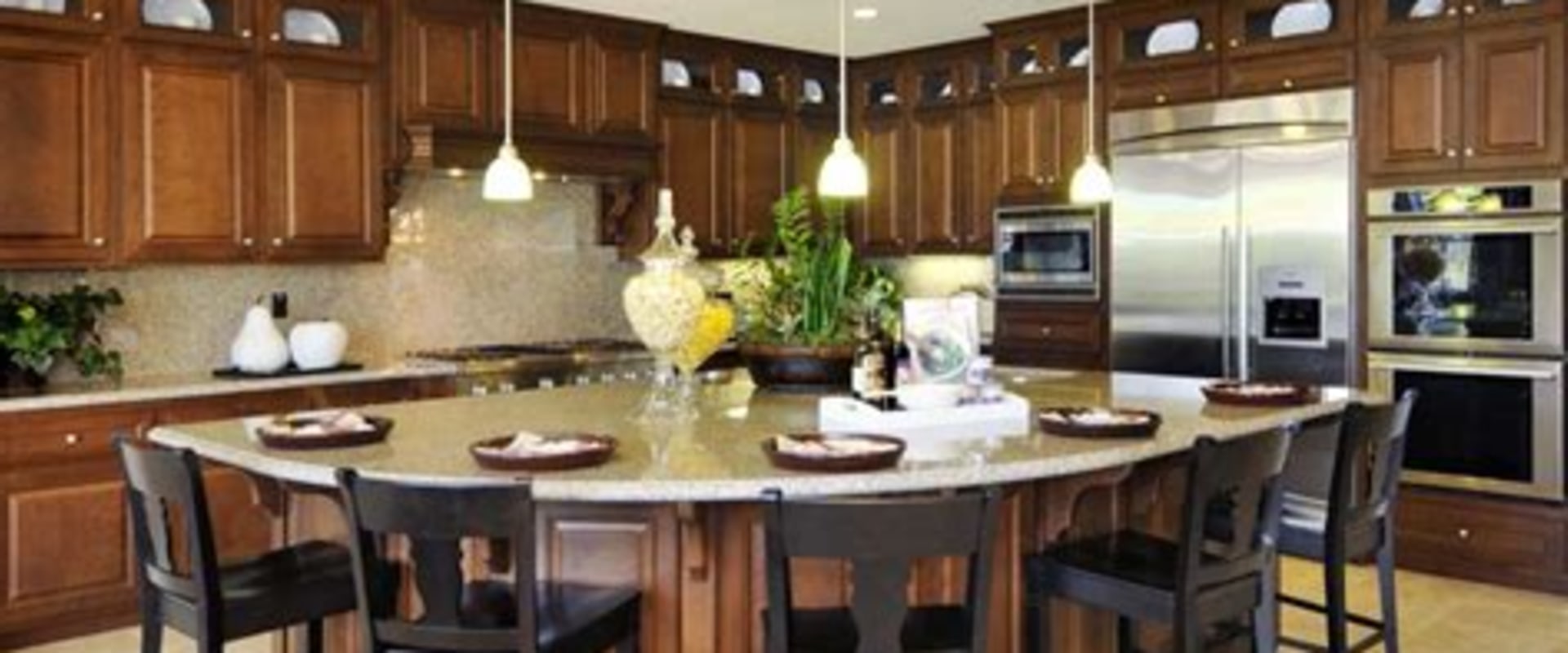
Breakfast bars add a casual dining option that encourages family interaction and socializing. These spaces can be designed with overhangs for seating, creating an inviting atmosphere. The choice of bar stools can also contribute to the kitchen's style; whether opting for sleek modern designs or rustic wooden finishes, the right seating can tie the entire look together.Modern Kitchen Design Trends
- Open Concept Layouts: Islands and breakfast bars promote an open flow between the kitchen and living areas, making spaces feel larger and more connected.
- Mixed Materials: Combining different materials for countertops and cabinetry is a popular trend that adds depth and interest to the design.
- Color Schemes: Bold colors or contrasting hues on islands can serve as focal points, drawing attention and enhancing visual appeal.
Choosing the Right Island or Breakfast Bar for Your Space
When it comes to kitchen remodeling, selecting the right island or breakfast bar is crucial for maximizing both functionality and aesthetic appeal.Here are some key considerations to help you make the best choice for your space.
Choosing the Right Size
The size of your island or breakfast bar should complement your kitchen layout. A common guideline is to ensure that there is at least 36 inches of clearance around the island for easy movement. If your kitchen is smaller, consider a compact island that can double as a prep area and dining space. For larger kitchens, a more expansive island can serve as a focal point and provide additional storage.Breakfast Bar Height Options
Height is another important factor when choosing a breakfast bar.Standard counter height is typically 36 inches, while bar height ranges from 40 to 42 inches. If you plan to use stools, ensure they are comfortable and proportionate to the height of your bar. A lower breakfast bar can create a more casual dining experience, while a higher bar can add a touch of elegance.
Customizing Kitchen Features
Customization options can significantly enhance the functionality of your island or breakfast bar. Consider incorporating features such as:- Storage solutions: Drawers, cabinets, or open shelving can help keep your kitchen organized.
- Appliances: Built-in microwaves or wine coolers can save space and add convenience.
- Seating arrangements: Choose between fixed seating or movable stools based on your needs.
By carefully considering size, height, and customization options, you can create a space that is both practical and inviting.
Common Mistakes to Avoid When Adding an Island or Breakfast Bar
When incorporating an island or breakfast bar into your kitchen remodeling project, avoiding common mistakes is crucial for achieving both functionality and aesthetic appeal. Here are some pitfalls to watch out for:- Insufficient Space: One of the most frequent errors is underestimating the space required for an island or breakfast bar. Ensure there is at least 42 to 48 inches of clearance around the island to allow for easy movement and access.
- Ignoring Workflow: The kitchen work triangle—comprising the stove, sink, and refrigerator—should remain efficient. Placing an island in a way that disrupts this flow can lead to frustration during meal preparation.
- Neglecting Electrical Needs: If your island will house appliances or require charging stations, plan for adequate electrical outlets.
Failing to do so can limit the functionality of your new space.
- Overlooking Seating Arrangements: When designing a breakfast bar, consider the number of seats you want and their arrangement. A common mistake is not allowing enough legroom or space between seats, which can make the area uncomfortable.
- Choosing the Wrong Height: The height of your island or breakfast bar should complement your existing countertops and seating. Standard counter height is 36 inches, while bar height is typically 42 inches. Mixing these can create an awkward dining experience.
- Forgetting About Storage: Islands can provide valuable storage space.
However, many homeowners overlook this aspect during planning. Incorporate cabinets or shelves into your design to maximize utility.
FAQs About Kitchen Islands and Breakfast Bars
When considering kitchen remodeling, many homeowners have questions about the practicality and aesthetics of adding an island or breakfast bar. Here are some common inquiries:- What is the primary function of a kitchen island?
A kitchen island serves multiple purposes, including additional counter space for food preparation, a casual dining area, and extra storage options. It can also house appliances like a cooktop or sink, enhancing the kitchen's functionality. - How much space do I need for a kitchen island?
Ideally, you should allow at least 42 to 48 inches of clearance around the island to ensure easy movement and accessibility.The size of the island will depend on your kitchen's layout and overall dimensions.
- Can a breakfast bar fit in a small kitchen?
Yes! A breakfast bar can be designed to fit snugly against a wall or as an extension of an existing countertop. Utilizing bar stools instead of traditional dining chairs can save space while still providing a functional eating area. - What materials are best for kitchen islands and breakfast bars?
Popular materials include granite, quartz, and butcher block for countertops due to their durability and aesthetic appeal. For bases, consider cabinetry that matches your existing kitchen design. - Are there any downsides to having an island or breakfast bar?
While islands and breakfast bars can enhance functionality, they may also require more maintenance and cleaning. Additionally, if not designed properly, they can disrupt the flow of the kitchen.
Whether you opt for an island or a breakfast bar, both features can significantly enhance your kitchen's usability and style.
Conclusion: Transforming Your Kitchen with Islands and Breakfast Bars
In conclusion, incorporating an island or breakfast bar into your kitchen remodeling project can significantly elevate both the functionality and aesthetic appeal of your space. These features not only serve as practical solutions for additional workspace but also create a welcoming environment for family and friends.Functionality
is enhanced through the addition of an island or breakfast bar by providing extra counter space for meal preparation, cooking, and serving. This is particularly beneficial in smaller kitchens where every inch counts. Moreover, islands can be designed to include built-in appliances, such as a cooktop or microwave, further optimizing the layout.From a design perspective, islands and breakfast bars act as focal points that can transform the overall look of your kitchen.They offer opportunities to incorporate various materials and finishes, allowing homeowners to express their personal style. Whether you prefer a sleek modern design or a rustic farmhouse feel, these elements can be tailored to fit your vision.
- Social Interaction: Islands and breakfast bars encourage socializing during meal prep or casual dining, making the kitchen a hub of activity.
- Storage Solutions: Many islands come with built-in cabinets or shelves, providing much-needed storage for kitchen essentials.
- Versatile Seating: Breakfast bars offer flexible seating options that can accommodate both quick meals and leisurely gatherings.