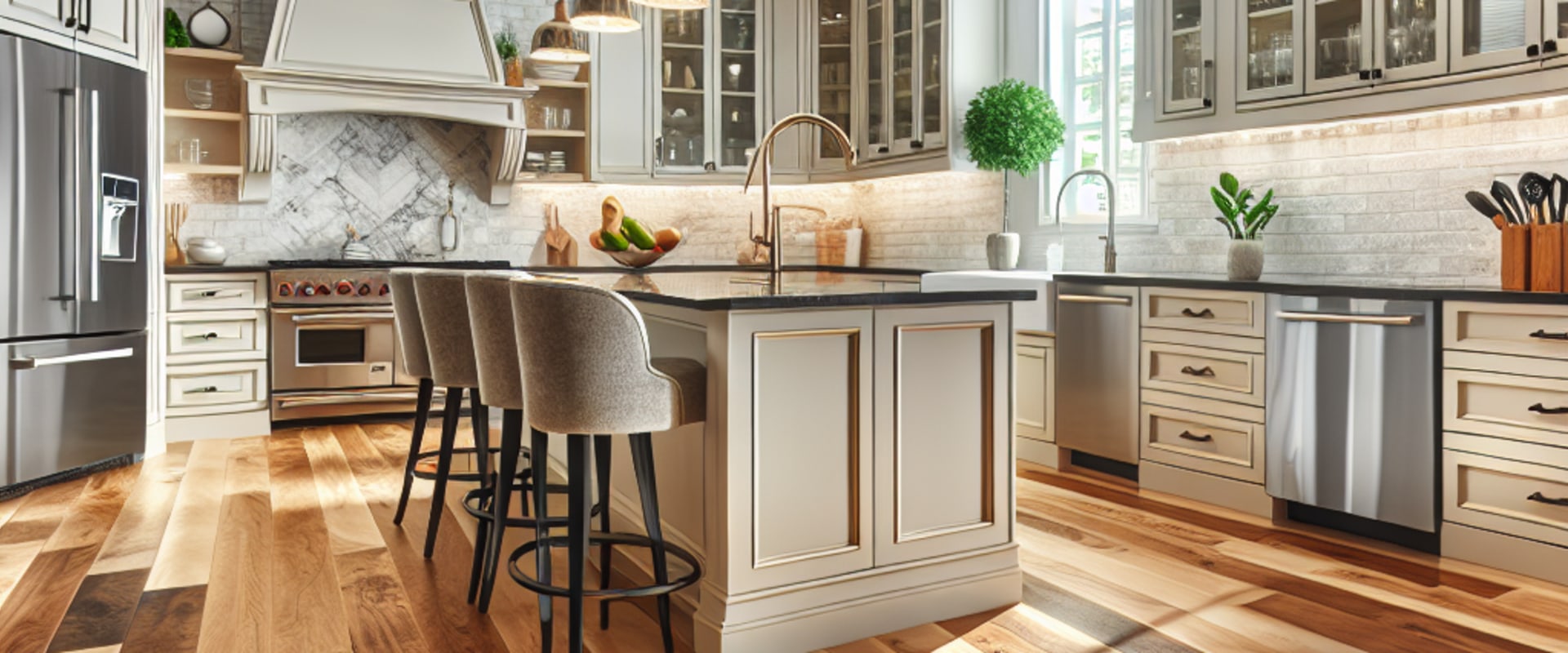
When embarking on a kitchen remodeling project, one of the most critical decisions you'll face is selecting the right flooring. The kitchen is often considered the heart of the home, a space where families gather, meals are prepared, and memories are made. Therefore, the flooring you choose not only impacts the aesthetic appeal of your kitchen but also plays a significant role in its functionality and durability. Choosing the right flooring involves more than just picking a color or style; it requires careful consideration of various factors such as durability, maintenance, and comfort. For instance, kitchens are prone to spills and heavy foot traffic, making it essential to select materials that can withstand these challenges while still looking great.
Additionally, the flooring should complement your overall design theme and enhance the visual flow of your home. Moreover, with an array of options available—from hardwood and tile to laminate and vinyl—understanding the pros and cons of each material is vital. Each type of flooring offers unique benefits that can cater to different lifestyles and preferences. As you delve deeper into your kitchen remodeling journey, recognizing the importance of flooring will help you make informed choices that align with both your practical needs and aesthetic desires.
Durability and Maintenance Requirements
When it comes to kitchen remodeling, one of the most critical factors to consider is the durability of the flooring. Kitchens are high-traffic areas that experience spills, stains, and heavy footfall, making it essential to choose a flooring material that can withstand these challenges.Durable Kitchen Flooring Options
- Tile: Ceramic and porcelain tiles are among the most durable options available.
They are resistant to moisture, scratches, and stains, making them ideal for kitchens.
- Vinyl: Modern vinyl flooring is designed to mimic the look of natural materials while offering excellent durability. It is water-resistant and easy to clean, making it a practical choice for busy kitchens.
- Hardwood: While hardwood can be susceptible to water damage, choosing a high-quality finish and proper sealing can enhance its durability. Engineered hardwood is also a great option as it offers better moisture resistance.
- Bamboo: This eco-friendly option is not only stylish but also incredibly strong. Bamboo flooring can withstand heavy use and is less prone to scratches compared to traditional hardwood.
Maintenance of Kitchen Floors
The maintenance requirements of your chosen flooring material will significantly impact your long-term satisfaction.
For instance, while tile may require minimal upkeep, grout lines can accumulate dirt and grime over time, necessitating regular cleaning. On the other hand, hardwood floors may need periodic refinishing to maintain their appearance and durability.
Flooring Longevity
Investing in durable flooring not only enhances the aesthetic appeal of your kitchen but also contributes to its longevity. High-quality materials tend to last longer and require less frequent replacement, ultimately saving you money in the long run. When selecting your kitchen flooring, consider both its immediate visual impact and its ability to endure the rigors of daily use.
Aesthetic Appeal and Design Compatibility
When it comes to kitchen remodeling, the choice of flooring plays a crucial role in establishing the overall aesthetic of the space.The right flooring can enhance the visual appeal of your kitchen, while the wrong choice can detract from its design. Here are some key considerations to keep in mind:
- Color: The color of your flooring should complement the existing color palette of your kitchen. Light-colored floors can make a small kitchen feel more spacious, while darker tones can add warmth and coziness. Consider how the floor color interacts with cabinets, countertops, and wall colors.
- Texture: Texture adds depth and interest to your kitchen design.
Smooth surfaces like polished tiles can create a modern look, while textured materials such as distressed wood or stone can evoke a rustic charm. Think about how the texture of your flooring will feel underfoot and how it aligns with your overall design theme.
- Style Compatibility: Your flooring should harmonize with the style of your kitchen. For instance, if you have a contemporary kitchen, sleek tiles or vinyl planks may be ideal. Conversely, if your kitchen has a farmhouse aesthetic, consider using reclaimed wood or natural stone for a more authentic feel.
For example, if you have an open-concept layout, ensure that the flooring flows seamlessly into adjacent spaces. This continuity can enhance the overall design and create a cohesive look throughout your home.Ultimately, selecting flooring for your kitchen remodel is not just about functionality; it’s also about creating an inviting atmosphere that reflects your personal style. By carefully considering color, texture, and style compatibility, you can choose a floor that not only meets practical needs but also elevates the aesthetic appeal of your kitchen.
Cost Considerations and Budgeting
When it comes to kitchen remodeling, understanding the cost considerations associated with flooring options is crucial for effective budgeting. The choice of flooring can significantly impact the overall budget, so it’s essential to evaluate various materials and their associated costs.1.Assessing Flooring Options
- Tile: Ceramic and porcelain tiles are popular choices for kitchens due to their durability and water resistance.
Prices typically range from $1 to $20 per square foot, depending on the quality and design.
- Hardwood: While hardwood offers a classic look, it can be more expensive, averaging between $5 and $15 per square foot. Consider engineered hardwood as a more affordable alternative.
- Laminates: For those on a tighter budget, laminate flooring can mimic the appearance of wood or stone at a fraction of the cost, usually between $1 and $5 per square foot.
- Vinyl: Vinyl flooring is another budget-friendly option, with prices ranging from $0.50 to $3 per square foot. It’s available in various styles and is easy to install.
2.Additional Costs to Consider
- Installation: Don’t forget to factor in installation costs, which can add an additional $1 to $5 per square foot depending on the complexity of the job.
- Underlayment: Some flooring types require underlayment for insulation or moisture protection, which can also affect your budget.
- Maintenance: Consider long-term maintenance costs; some materials may require more upkeep than others, impacting your overall investment.
3.Budgeting Tips
- Create a detailed budget that includes all aspects of your kitchen remodel, not just flooring.
- Prioritize your needs versus wants; sometimes opting for a less expensive flooring option allows you to allocate funds elsewhere in your remodel.
- Look for sales or discounts at local home improvement stores to find affordable options without compromising quality.
Safety Features and Comfort Underfoot
When it comes to kitchen remodeling, safety and comfort should be at the forefront of your flooring choices. The kitchen is a high-traffic area where spills and accidents can happen, making it essential to select flooring that minimizes risks.Slip-Resistant Flooring Options
One of the most critical considerations is slip resistance.Floors that are slippery can lead to serious accidents, especially in a space where water and food particles are often present. Here are some popular slip-resistant flooring options:
- Vinyl Flooring: Modern vinyl options come with textured surfaces that provide excellent grip, making them a safe choice for kitchens.
- Ceramic Tiles: Look for tiles with a high coefficient of friction (COF). Matte finishes tend to be less slippery than glossy ones.
- Rubber Flooring: This material is naturally slip-resistant and offers cushioning, making it ideal for standing long periods.
- Bamboo Flooring: Sustainable and durable, bamboo can also be treated to enhance its slip resistance.
Comfort Underfoot
In addition to safety, consider the comfort of your kitchen flooring. Since you may spend hours cooking or cleaning, having a comfortable surface can significantly enhance your experience.Here are some factors to keep in mind:
- Cushioning: Floors with some give, like cork or rubber, can reduce fatigue on your feet and joints.
- Temperature: Some materials, such as tile, can feel cold underfoot. Consider radiant heating systems if you choose these options.
- Noisiness: Hard surfaces can amplify sound. If you prefer a quieter environment, look for softer materials that absorb sound better.
Environmental Impact and Sustainability
When it comes to kitchen remodeling, one of the most significant considerations is the environmental impact of the materials you choose, particularly flooring.Opting for eco-friendly kitchen flooring not only contributes to a healthier home but also supports sustainable practices that benefit the planet.
Understanding Sustainable Materials
- Bamboo: A rapidly renewable resource, bamboo is an excellent choice for kitchen flooring. It grows quickly and can be harvested without damaging the ecosystem.
- Cork: Harvested from the bark of cork oak trees, cork flooring is biodegradable and provides natural insulation, making it both sustainable and energy-efficient.
- Reclaimed Wood: Using reclaimed wood not only reduces waste but also adds character to your kitchen. This material often comes from old barns or buildings, giving your space a unique touch.
- Linoleum: Made from natural materials like linseed oil, cork dust, and wood flour, linoleum is a biodegradable option that is durable and easy to maintain.
Look for certifications such as FSC (Forest Stewardship Council) for wood products or GreenGuard for low-emission materials. These certifications ensure that the products meet strict environmental standards.Moreover, think about the long-term impact of your flooring choice. Durable materials may have a higher upfront cost but can save money over time due to their longevity and lower maintenance needs. By investing in sustainable flooring options, you contribute to reducing waste and promoting a healthier environment.Ultimately, making informed choices about your kitchen flooring can lead to a beautiful space that aligns with your values regarding sustainability and environmental responsibility.
Installation Process and Timeframe
When it comes to kitchen remodeling, understanding the installation process for your chosen flooring is crucial.Different materials come with varying installation requirements, timelines, and complexities.
Types of Flooring and Their Installation
- Tile Flooring: Typically requires a professional for installation due to the need for precise cutting and grouting. Expect a timeframe of 1-3 days depending on the size of your kitchen.
- Hardwood Flooring: Can be installed as a floating floor or nailed down. Professional installation is recommended, taking about 2-4 days, including acclimation time.
- Vinyl Flooring: This is one of the easier options for DIY enthusiasts. Installation can take 1-2 days, especially if you opt for peel-and-stick tiles.
- Laminate Flooring: Also suitable for DIY projects, laminate can be installed in about 1-2 days.
It’s essential to ensure a level subfloor for best results.
DIY vs Professional Installation
Deciding between DIY and hiring a professional can significantly impact your kitchen remodel's success. If you have experience with home improvement projects, you might consider tackling the installation yourself, especially with materials like vinyl or laminate. However, keep in mind that mistakes can lead to costly repairs down the line.If you choose to go the professional route, ensure you hire someone with experience in kitchen flooring installation. This not only guarantees a quality finish but also saves you time and potential headaches.Professionals can often complete the job faster due to their expertise and access to specialized tools.In summary, understanding the installation process, timelines, and whether to opt for DIY or professional help is essential when selecting flooring for your kitchen remodel. Each flooring type has its unique requirements that can affect both the duration and quality of your project.
Frequently Asked Questions About Kitchen Flooring Choices
When it comes to kitchen remodeling, choosing the right flooring can be a daunting task. Here are some frequently asked questions that can help guide your decision-making process.What are the best flooring options for a kitchen?
Some of the most popular flooring options for kitchens include:- Tile: Durable and water-resistant, tile is a great choice for kitchens. It comes in various styles and colors, allowing for creative designs.
- Vinyl: Affordable and easy to install, vinyl flooring is available in sheets or tiles and can mimic the look of more expensive materials.
- Hardwood: While it requires more maintenance, hardwood adds warmth and elegance to a kitchen.
Consider engineered hardwood for better moisture resistance.
- Laminates: These are cost-effective alternatives that offer a wood-like appearance without the high price tag.
How do I choose the right color for my kitchen floor?
The color of your kitchen floor can significantly impact the overall aesthetic. Here are some tips:- Consider your cabinetry: Choose a floor color that complements or contrasts with your cabinets for a cohesive look.
- Think about lighting: Natural light can change how colors appear. Test samples in different lighting conditions before making a final decision.
- Opt for neutral tones: If you want longevity in your design, neutral colors tend to be more timeless and versatile.
Is it important to consider slip resistance?
Absolutely! Kitchens can be prone to spills, making slip resistance a crucial factor. Look for flooring materials that have textured surfaces or are specifically rated for slip resistance to ensure safety in your kitchen.By addressing these common questions, you can make informed decisions that will enhance both the functionality and aesthetic appeal of your kitchen during your remodeling project.Conclusion: Making the Right Choice for Your Kitchen Remodel
In conclusion, selecting the right flooring for your kitchen remodeling project is a critical decision that can significantly impact both the functionality and aesthetic appeal of your space.As you navigate through various options, consider the following key points:
- Durability: Kitchens are high-traffic areas prone to spills and stains. Opt for materials that can withstand wear and tear, such as porcelain tile or luxury vinyl.
- Maintenance: Choose flooring that aligns with your lifestyle. If you prefer low-maintenance options, materials like laminate or vinyl may be ideal, while natural stone may require more upkeep.
- Style and Design: The flooring should complement your overall kitchen design. Whether you lean towards a modern, rustic, or traditional look, ensure the flooring enhances the visual harmony of the space.
- Comfort: Consider how the flooring feels underfoot.
Soft surfaces like cork or certain vinyl options can provide comfort during long periods of standing.
- Budget: Flooring costs can vary widely. Set a realistic budget that includes not just the material but also installation costs to avoid surprises.