Embarking on a kitchen remodeling project can be both exciting and overwhelming. To ensure a successful transformation, it is essential to start by clearly defining your kitchen remodeling goals. Are you looking to enhance functionality, improve aesthetics, or increase your home’s value? Understanding your primary objectives will guide every decision you make throughout the renovation process. For instance, if your goal is to create a more open space for entertaining, you might consider removing walls or incorporating an island that doubles as a dining area. Equally important is establishing a realistic kitchen renovation budget.
A well-planned budget not only helps you avoid overspending but also ensures that you allocate funds appropriately across various aspects of the remodel, such as cabinetry, countertops, and appliances. Begin by researching average costs in your area and consider setting aside an additional 10-20% for unexpected expenses. This financial cushion can be invaluable in case of unforeseen issues that may arise during the renovation. As you plan your kitchen remodel, take the time to prioritize your needs versus wants. Create a list of must-haves and nice-to-haves to help streamline your choices.
This approach not only clarifies your vision but also aids in making informed decisions that align with your budget. By understanding your goals and establishing a solid financial plan, you set the foundation for a successful kitchen transformation that meets both your functional needs and aesthetic desires.
Choosing the Right Design and Layout
When embarking on a kitchen remodeling project, selecting the right design and layout is crucial for both functionality and aesthetics. A well-thought-out kitchen design can transform your cooking space into a hub of creativity and efficiency.Kitchen Design Ideas
Consider various kitchen design ideas that align with your personal style and the overall theme of your home. Popular styles include:- Modern: Characterized by clean lines, minimalistic features, and a focus on functionality.
- Traditional: Features classic elements such as ornate cabinetry, warm colors, and timeless materials.
- Farmhouse: Combines rustic charm with modern conveniences, often featuring open shelving and large islands.
- Industrial: Utilizes raw materials like metal and wood, creating a chic, urban feel.
Kitchen Layout Options
The layout of your kitchen plays a significant role in its usability.Here are some popular kitchen layout options to consider:
- U-Shaped: Offers ample counter space and storage, ideal for larger kitchens.
- L-Shaped: Provides flexibility and is great for open-concept designs.
- Galley: Efficient for smaller spaces, featuring two parallel counters.
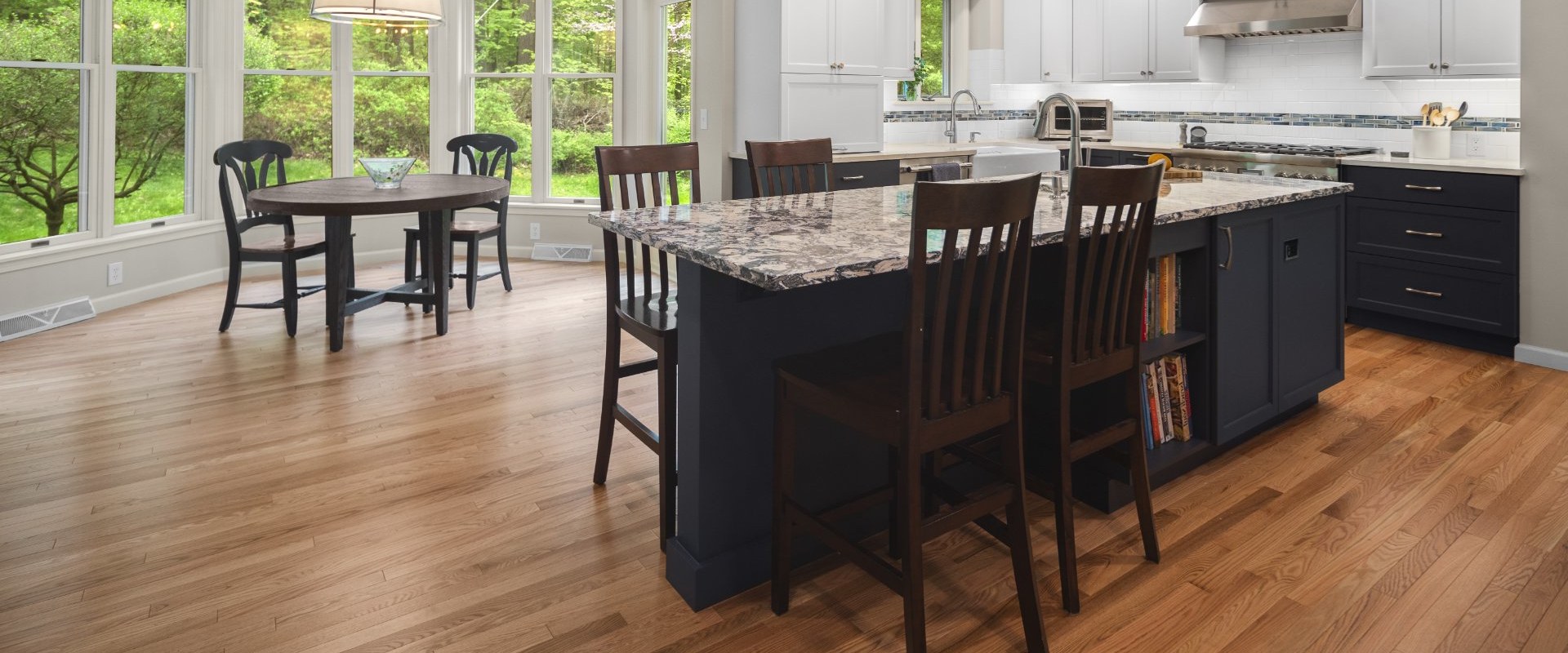
- Island: Adds extra workspace and can serve as a casual dining area.
Selecting Quality Materials and Appliances
When embarking on a kitchen remodeling project, selecting quality materials and appliances is crucial for achieving both aesthetic appeal and long-term durability.The right choices can enhance the functionality of your kitchen while also adding value to your home.
Choosing the Best Kitchen Materials
Start by considering the best kitchen materials that align with your design vision and budget. Popular options include:- Granite and Quartz Countertops: These materials are not only visually stunning but also highly durable, resisting scratches and heat.
- Hardwood Flooring: Offers warmth and elegance, though it requires proper sealing to withstand moisture.
- Stainless Steel Appliances: Known for their sleek look and resistance to rust, they are a staple in modern kitchens.
Selecting Kitchen Appliances
The selection of kitchen appliances should focus on both functionality and energy efficiency. Look for appliances that carry the Energy Star label, which indicates they meet energy efficiency guidelines set by the U.S. Environmental Protection Agency.Consider the following:
- Size and Layout: Ensure that the appliances fit well within your kitchen layout without obstructing movement.
- Features: Evaluate which features are essential for your cooking style—such as convection ovens or smart technology.
- Brand Reputation: Research brands known for reliability and customer service to avoid future headaches.
Durable Kitchen Finishes
Finally, when it comes to finishes, opt for durable kitchen finishes that can withstand daily wear and tear. For cabinetry, consider finishes like:- Lacquered Surfaces: These are easy to clean and resistant to stains.
- Laminate: A cost-effective option that offers a variety of styles while being resistant to scratches.
Hiring the Right Professionals
When embarking on a kitchen remodeling project, hiring the right professionals is crucial to ensure a smooth and successful transformation. Here are some essential tips to help you find and hire reliable contractors and designers.Research and Recommendations
Start by seeking recommendations from friends, family, or neighbors who have recently completed a kitchen remodel. Their firsthand experiences can provide valuable insights into potential contractors.Additionally, utilize online platforms such as Yelp or Angie's List to read reviews and ratings of local professionals.
Check Credentials
Once you have a list of potential candidates, verify their credentials. Ensure that they are licensed, insured, and bonded. This not only protects you from liability but also indicates that they adhere to industry standards. You can check with your state’s licensing board for any complaints or disciplinary actions against them.Interview Candidates
Schedule interviews with your top choices.Prepare a list of questions that cover their experience, design philosophy, and project management style. Ask about their previous kitchen remodeling projects and request references from past clients. This will give you a clearer picture of their capabilities and reliability.
Get Detailed Estimates
Request detailed estimates from at least three contractors. A comprehensive estimate should include labor costs, materials, timelines, and any potential additional expenses.This will help you compare not just prices but also the scope of work each contractor is proposing.
Trust Your Instincts
Finally, trust your instincts when making a decision. Choose a contractor or designer with whom you feel comfortable communicating and who understands your vision for the kitchen remodel. A good working relationship is essential for navigating challenges that may arise during the project.By following these steps, you can find qualified kitchen remodeling professionals who will help bring your dream kitchen to life while ensuring the process is as stress-free as possible.Managing the Remodeling Process
Managing a kitchen remodeling project can be a daunting task, but with the right approach, you can ensure a smooth and successful renovation. One of the first steps in managing the remodeling process is to establish a clear kitchen remodel timeline.This timeline should outline key milestones, such as design approval, demolition, and installation of new fixtures. A well-defined schedule helps keep the project on track and allows you to anticipate any potential delays.Effective communication with your contractors is essential throughout the remodeling process. Regular check-ins can help address any issues that arise and keep everyone aligned on project goals. Consider setting up weekly meetings or updates via email to discuss progress and any changes that may need to be made.
Tips for Managing Renovations
- Set a Realistic Budget: Before starting your kitchen remodeling project, determine a budget that includes all aspects of the renovation, from materials to labor costs.
This will help you avoid unexpected expenses.
- Choose the Right Contractors: Research and select contractors with experience in kitchen renovations. Check their references and past work to ensure they align with your vision.
- Be Flexible: Understand that renovations can uncover unforeseen issues, such as plumbing or electrical problems. Being flexible with your timeline and budget can help you navigate these challenges more effectively.
- Document Everything: Keep detailed records of contracts, invoices, and communications with contractors. This documentation can be invaluable if disputes arise.
Remember that patience is key; renovations take time, but the end result will be worth the effort.
Staying Within Budget During Remodeling
When embarking on a kitchen remodeling project, staying within budget is crucial to ensure that your dream kitchen doesn’t turn into a financial nightmare. Here are some effective strategies to help you manage your finances throughout the renovation process.- Set a Realistic Budget: Begin by determining how much you can afford to spend. Consider all potential costs, including materials, labor, and unexpected expenses. A good rule of thumb is to allocate an additional 10-20% of your budget for unforeseen issues.
- Prioritize Your Needs: Make a list of must-haves versus nice-to-haves.
Focus on essential upgrades that will enhance functionality and value, such as new appliances or improved storage solutions, while postponing less critical changes.
- Research Costs: Before making any purchases, research the average costs of materials and labor in your area. This knowledge will empower you to make informed decisions and avoid overspending on items that may be available at a lower price elsewhere.
- Consider DIY Options: If you have the skills and time, consider tackling some aspects of the remodel yourself. Simple tasks like painting or installing hardware can save you significant labor costs.
- Shop Smart: Look for sales, discounts, and clearance items when purchasing materials. Online marketplaces and local suppliers often have competitive prices that can help you stay within budget.
- Avoid Impulse Purchases: It’s easy to get carried away with beautiful fixtures or trendy designs.
Stick to your plan and resist the temptation to make last-minute changes that could derail your budget.
Incorporating Sustainable Practices in Your Remodel
When embarking on a kitchen remodeling project, incorporating sustainable practices is not only beneficial for the environment but can also enhance the overall appeal and functionality of your space. Here are some key considerations to keep in mind:- Choose Eco-Friendly Materials: Opt for materials that are sustainably sourced and have a lower environmental impact. For instance, bamboo flooring and recycled glass countertops are excellent choices that add beauty while being kind to the planet.
- Energy-Efficient Appliances: Invest in energy-efficient appliances that consume less power and water.
Look for products with the Energy Star label, which indicates they meet strict energy efficiency guidelines.
- Water Conservation: Incorporate fixtures that promote water conservation, such as low-flow faucets and dual-flush toilets. These features not only reduce water usage but can also lower your utility bills.
- Natural Lighting: Maximize natural light in your kitchen by adding larger windows or skylights. This reduces the need for artificial lighting during the day, contributing to energy savings.
- Recycling and Waste Management: Designate areas for recycling and composting within your kitchen layout. This encourages sustainable habits and helps minimize waste.
They can provide valuable insights into eco-friendly design tips and help you select materials that align with your sustainability goals. By prioritizing green options, you not only create a healthier home environment but also contribute positively to the planet.
Common Mistakes to Avoid in Kitchen Remodeling
When embarking on a kitchen remodeling project, avoiding common mistakes can save you both time and money. Here are some pitfalls to watch out for:- Neglecting a Clear Plan: One of the most significant mistakes is starting without a detailed plan. Ensure you have a clear vision of your desired layout, style, and functionality before beginning.
- Ignoring the Budget: It's easy to get carried away with design ideas.
Set a realistic budget and stick to it. Include a contingency fund for unexpected expenses.
- Overlooking Storage Needs: Many homeowners focus on aesthetics but forget about practical storage solutions. Incorporate ample cabinets, drawers, and pantry space to keep your kitchen organized.
- Choosing Trends Over Timelessness: While it’s tempting to follow the latest trends, consider timeless designs that will remain appealing for years. This approach can enhance your home’s value.
- Underestimating Lighting: Proper lighting is crucial in a kitchen.
Ensure you have a mix of ambient, task, and accent lighting to create a functional and inviting space.
- DIYing Beyond Your Skill Level: While DIY projects can save money, know your limits. Complex tasks like plumbing or electrical work should be left to professionals to avoid costly mistakes.
Conclusion: Key Takeaways for Your Kitchen Remodeling Project
In conclusion, embarking on a kitchen remodeling project can be both exciting and daunting. To ensure a successful transformation, it is crucial to keep several key points in mind:- Planning is Essential: A well-thought-out plan serves as the foundation of your remodel. Consider your needs, lifestyle, and the overall functionality of the space.
- Set a Realistic Budget: Establishing a budget that accounts for all aspects of the remodel, including materials, labor, and unexpected expenses, will help you avoid financial strain.
- Choose Quality Materials: Investing in high-quality materials not only enhances the aesthetic appeal but also ensures durability and longevity in your kitchen.
- Hire Professionals Wisely: Whether you’re working with contractors or designers, choose professionals with proven experience in kitchen remodeling.
Check references and reviews to ensure you’re making informed decisions.
- Stay Flexible: Be prepared for unexpected challenges that may arise during the remodeling process. Flexibility can help you adapt without losing sight of your vision.