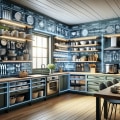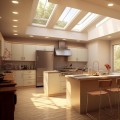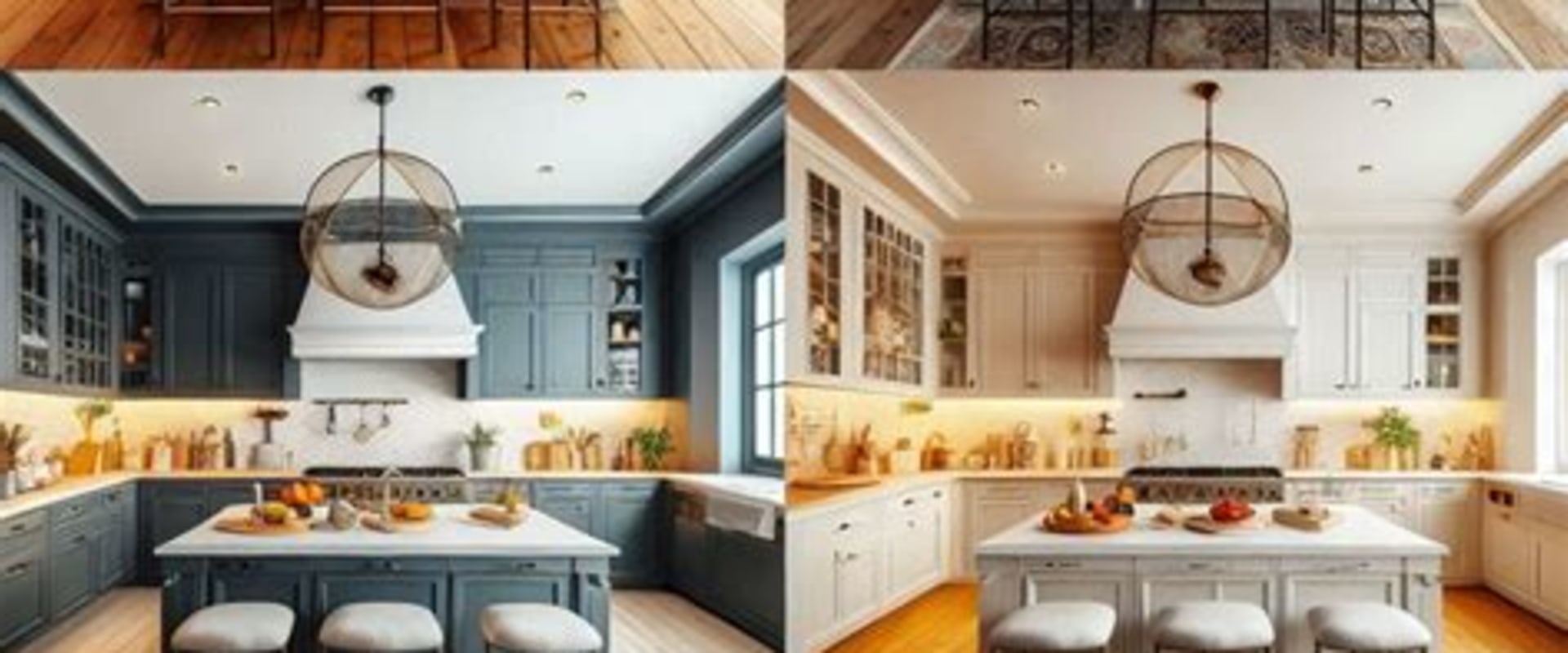
When embarking on a kitchen remodeling project, one of the most impactful decisions homeowners face is the choice of color. The colors selected for a kitchen can significantly influence not only the aesthetic appeal but also the emotional atmosphere of the space. Understanding the psychology of color is essential for creating a kitchen that resonates with personal style while fostering a welcoming environment. Colors have the power to evoke specific emotions and set the mood within a room. For instance, warm tones like reds and oranges can stimulate appetite and conversation, making them ideal for a family gathering space.
In contrast, cooler shades such as blues and greens promote calmness and tranquility, which can be particularly beneficial in a busy kitchen setting. By carefully considering how different hues affect mood, homeowners can tailor their kitchen design to enhance both functionality and emotional well-being. Moreover, the emotional impact of color extends beyond mere aesthetics; it can influence how we interact with our surroundings. A well-thought-out color palette can make a kitchen feel more spacious or cozy, depending on the desired effect. As you plan your remodel, think about how each color choice aligns with your lifestyle and the experiences you want to create in this central hub of your home.
Choosing the Right Color Palette for Your Kitchen Remodel
When embarking on a kitchen remodeling project, one of the most crucial decisions you'll face is selecting the right color palette.The colors you choose can significantly influence not only the aesthetic appeal of your kitchen but also its functionality and ambiance. Here are some tips to help you create a cohesive and stylish color scheme.
- Consider Your Personal Style: Start by reflecting on your personal style and the overall theme you want to achieve. Whether you prefer a modern, rustic, or traditional look, your color choices should align with this vision.
- Understand Color Psychology: Different colors evoke different emotions. For instance, blues and greens can create a calming atmosphere, while yellows and oranges can energize the space.
Think about how you want to feel in your kitchen.
- Choose a Focal Point: Select one or two dominant colors for your cabinets or walls, then use complementary colors for accents. This approach helps create visual interest without overwhelming the space.
- Test Samples: Before committing to a color, test samples in your kitchen. Lighting can drastically change how a color appears, so observe how it looks at different times of the day.
- Balance Warm and Cool Tones: A well-balanced palette often includes both warm and cool tones. For example, pairing warm wood tones with cool gray or white can create a harmonious look.
Lighter colors can make a small kitchen feel larger and more open, while darker shades can add depth and coziness. Ultimately, the right color selection will enhance not only the beauty of your remodeled kitchen but also its usability.By thoughtfully choosing your color palette, you can transform your kitchen into a space that reflects your personality while remaining practical for everyday use. Remember that this is an opportunity to express yourself—don’t shy away from incorporating bold colors if they resonate with you!
The Role of Accent Colors in Kitchen Design
In the realm of kitchen remodeling, the strategic use of accent colors can significantly elevate the overall design and functionality of the space. Accent colors serve as powerful tools to create visual interest, draw attention to specific areas, and enhance the overall aesthetic appeal of your kitchen.Creating Focal Points
One of the primary roles of accent colors is to establish focal points within the kitchen.
For instance, a bold backsplash in a vibrant hue can become the centerpiece of your kitchen, contrasting beautifully with neutral cabinetry. This not only adds depth but also invites conversation and admiration from guests.
Color Contrast
Utilizing color contrast is essential in achieving a balanced look. Pairing dark cabinets with light-colored countertops or vice versa can create a striking visual effect. Consider using accent colors in smaller elements such as bar stools, light fixtures, or decorative accessories to tie the room together without overwhelming it.
- Choose Complementary Colors: Select accent colors that complement your primary color scheme.
For example, if your kitchen features soft gray cabinets, consider adding accents in mustard yellow or deep navy for a modern touch.
- Incorporate Textures: Accent colors can also be enhanced through texture. A matte finish on an accent wall can contrast beautifully with glossy cabinet surfaces, adding another layer of interest.
- Seasonal Changes: Don’t hesitate to change your accent colors seasonally. This allows for a fresh look without committing to a complete remodel.
How Lighting Affects Color Perception in Kitchens
When it comes to kitchen remodeling, understanding how lighting affects color perception is crucial for achieving the desired aesthetic and functionality.The interplay between light and color can dramatically alter the appearance of your kitchen, influencing everything from the mood to the perceived size of the space.
Types of Lighting
- Natural Light: Sunlight can enhance colors, making them appear more vibrant. A kitchen with ample windows or skylights will benefit from this natural illumination, allowing hues to shine in their true form.
- Ambient Lighting: This general lighting sets the overall tone of the kitchen. Soft, warm ambient lighting can make colors feel cozy and inviting, while cooler tones can create a more modern and sleek atmosphere.
- Task Lighting: Focused lighting in areas like countertops or islands is essential for functionality. The color temperature of task lighting can affect how colors are perceived in these work zones, making it important to choose bulbs that complement your chosen palette.
For instance, warmer lights (around 2700K) can make whites appear creamy and soft, while cooler lights (above 5000K) can give a more clinical feel, making whites look stark and harsh. This is particularly important when selecting paint colors or finishes for cabinets and countertops.
Choosing the Right Lighting for Your Kitchen
- Consider the Color Palette: If your kitchen features bold colors, opt for lighting that enhances rather than washes out these shades. Conversely, if you prefer a neutral palette, brighter lights can help add depth and interest.
- Layer Your Lighting: Combining different types of lighting—ambient, task, and accent—can create a dynamic environment that highlights your kitchen's design elements while ensuring functionality.
- Test Before You Commit: Always test paint samples under various lighting conditions before finalizing your choices. This will help you see how different lights affect the colors in your kitchen.
By thoughtfully selecting and layering your lighting options, you can enhance the beauty and functionality of your kitchen space.
Common Mistakes to Avoid When Choosing Colors for Your Kitchen Remodel
When embarking on a kitchen remodeling project, selecting the right colors can be a daunting task. Homeowners often make several common mistakes that can lead to a less-than-ideal outcome. Here are some pitfalls to avoid:- Ignoring the Overall Style: One of the biggest errors is not considering the overall style of the home. A modern kitchen with bright, bold colors may clash with a traditional home.
Always ensure that your color choices complement the existing architecture.
- Choosing Colors in Isolation: Selecting colors without testing them in the actual space can lead to disappointment. Colors can look different under various lighting conditions. Always sample paint colors and materials in your kitchen's lighting before making a final decision.
- Overusing Trendy Colors: While it’s tempting to follow the latest trends, overusing trendy colors can quickly date your kitchen. Instead, opt for a neutral base and incorporate trendy shades through accessories that can be easily changed.
- Neglecting Color Flow: The flow of color from one room to another is crucial, especially in open-concept homes.
Ensure that the colors in your kitchen harmonize with adjacent spaces to create a cohesive look.
- Forgetting About Functionality: Some colors may look great but are impractical for a kitchen environment. Light colors may show stains more easily, while dark colors can make a space feel smaller. Consider how your color choices will affect both aesthetics and functionality.
FAQs About Color Choices in Kitchen Remodeling
When it comes to kitchen remodeling, color choices can significantly influence the overall aesthetic and functionality of the space. Here are some frequently asked questions regarding color selections:- What are the best colors for a small kitchen?
Light colors such as whites, soft grays, and pastels can make a small kitchen feel larger and more open.Consider using a monochromatic palette to create a seamless look that enhances the sense of space.
- How do I choose a color scheme for my kitchen?
Start by considering the existing elements in your kitchen, such as cabinets, countertops, and flooring. Use a color wheel to find complementary colors that will harmonize with these features. Additionally, think about the mood you want to create; warm tones can evoke coziness, while cool tones can promote calmness. - Can I mix different colors in my kitchen?
Absolutely! Mixing colors can add depth and interest to your kitchen design. However, it’s essential to maintain balance.For instance, if you choose bold colors for your cabinets, consider neutral tones for the walls and backsplash to avoid overwhelming the space.
- What role does lighting play in color selection?
Lighting can dramatically alter how colors appear in your kitchen. Natural light can enhance warm tones, while artificial lighting may cast different hues. Always test paint samples under various lighting conditions before making a final decision. - Are there any color trends for kitchen remodeling?
Currently, earthy tones like terracotta and sage green are gaining popularity, as they bring a touch of nature indoors. Additionally, bold accent colors such as navy blue or deep green can create striking focal points when paired with lighter cabinetry.